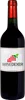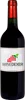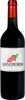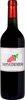
Winery Sea BreezeIsland Red
 Red wine


This wine is a blend of 3 varietals which are the Cabernet-Sauvignon, the Pinot noir and the Merlot.
This wine generally goes well with pork, poultry or beef.
The Island Red of the Winery Sea Breeze is in the top 40 of wines of Florida.

Food and wine pairings with Island Red
Pairings that work perfectly with Island Red



Original food and wine pairings with Island Red



The Island Red of Winery Sea Breeze matches generally quite well with dishes of beef, lamb or veal such as recipes of beef kidney, lamb tagine with prunes and dried fruits or veal simmered with vegetables.
Details and technical informations about Winery Sea Breeze's Island Red.
Discover the grape variety: Cabernet-Sauvignon
Structured, tannic reds, deeply coloured, with aromas of blackcurrant, blackberry, cedar, tobacco and graphite, underpinned by firm acidity and fine ageing potential. Cornerstone of the great Médoc estates (Pauillac, Saint-Estèphe, Saint-Julien) and signature of Napa Valley, Coonawarra and Maipo. The world's most planted red variety, a natural cross of Cabernet Franc x Sauvignon Blanc born in Bordeaux.
Last vintages of this wine
The best vintages of Island Red from Winery Sea Breeze are 0, 2008
Informations about the Winery Sea Breeze
The Winery Sea Breeze is one of of the world's greatest estates. It offers 10 wines for sale in the of Florida to come and discover on site or to buy online.

The wine region of Florida
South-eastern US state with a hot humid subtropical climate hostile to vinifera. Muscadine (Vitis rotundifolia) signature as resistant native grape: soft, exotic wines with notes of musky grape, plum, banana, tropical fruits and a "foxy" touch, round sugar and moderate alcohol — Carlos, Noble and Welder as flagship varieties. Hybrids Blanc du Bois (floral, citrus, honey) and Stover developed at the University of Florida. Fruit wines in complement.
The word of the wine: Flavours
There are generally four so-called fundamental flavours: acidity, bitterness, sweetness and saltiness. The first three are considered to be the building blocks of the structure of wines. They are perceived by the taste buds that cover the surface of the tongue.