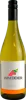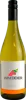
Winery Schloss WeinbergSchlosskellerei Kessler Blanc de Blancs
 Sparkling wine



This wine generally goes well with pork, vegetarian or poultry.
Food and wine pairings with Schlosskellerei Kessler Blanc de Blancs
Pairings that work perfectly with Schlosskellerei Kessler Blanc de Blancs



Original food and wine pairings with Schlosskellerei Kessler Blanc de Blancs

The Schlosskellerei Kessler Blanc de Blancs of Winery Schloss Weinberg matches generally quite well with dishes of pork, rich fish (salmon, tuna etc) or vegetarian such as recipes of beef carrots, salmon and spinach lasagna or tuna, pepper and tomato quiche.
Details and technical informations about Winery Schloss Weinberg's Schlosskellerei Kessler Blanc de Blancs.
Discover the grape variety: Chardonnay
The white Chardonnay is a grape variety that originated in France (Burgundy). It produces a variety of grape specially used for wine making. It is rare to find this grape to eat on our tables. This variety of grape is characterized by small bunches, and small grapes. White Chardonnay can be found in many vineyards: South West, Burgundy, Jura, Languedoc & Roussillon, Cognac, Bordeaux, Beaujolais, Savoie & Bugey, Loire Valley, Champagne, Rhone Valley, Armagnac, Lorraine, Alsace, Provence & Corsica.
Last vintages of this wine
The best vintages of Schlosskellerei Kessler Blanc de Blancs from Winery Schloss Weinberg are 0
Informations about the Winery Schloss Weinberg
The Winery Schloss Weinberg is one of of the world's greatest estates. It offers 4 wines for sale in the of St. Gallen to come and discover on site or to buy online.

The wine region of St. Gallen
The wine region of St. Gallen of Switzerland. Wineries and vineyards like the Domaine Wein Berneck or the Domaine Höcklistein produce mainly wines red, white and sparkling. The most planted grape varieties in the region of St.
The word of the wine: Saignée (rosé de)
Rosé wine made from a vat of black grapes after a short maceration period.