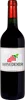
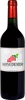
Winery Schloss AffaltrachBeilsteiner Wunenstien Trollinger
 Red wine


This wine generally goes well with

Details and technical informations about Winery Schloss Affaltrach's Beilsteiner Wunenstien Trollinger.
Discover the grape variety: Nebbiolo Rosé
Light, elegant reds with a clear ruby robe and garnet hints, silky tannins and an airy palate, with delicate signature aromas of red fruits (cherry, raspberry), rose, violet, spices and Piedmontese balsamic notes. A rarer, more refined expression of Nebbiolo. Preserved for its heritage value, it contributes to a few artisanal Piedmontese cuvées. Rare Piedmontese black grape with rosier clusters, a variant of the iconic nebbiolo.
Last vintages of this wine
The best vintages of Beilsteiner Wunenstien Trollinger from Winery Schloss Affaltrach are 0
Informations about the Winery Schloss Affaltrach
The Winery Schloss Affaltrach is one of of the world's great estates. It offers 89 wines for sale in the of Württemberg to come and discover on site or to buy online.

The wine region of Württemberg
Rare predominantly red region in Germany (nearly 70%). Supple, fruity everyday reds: light, crisp Trollinger (Schiava) with red fruits, more structured, spicy, deep Lemberger (Blaufränkisch), generous Schwarzriesling (Pinot Meunier). Riesling king of whites (>2,000 ha), lively and mineral, citrus and green apple. Germany's 4th region (11,500 ha) on the Neckar slopes around Heilbronn and Stuttgart.
The word of the wine: Roundup
Woody part of the grape bunch to which the berries are attached.