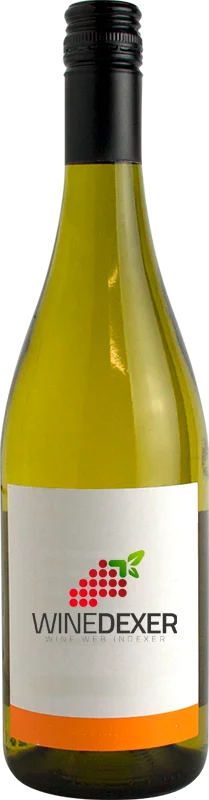
Winery SchembsWilde Siebzehn
 White wine


This wine generally goes well with vegetarian, rich fish (salmon, tuna etc) or shellfish.

Food and wine pairings with Wilde Siebzehn
Pairings that work perfectly with Wilde Siebzehn



Original food and wine pairings with Wilde Siebzehn
The Wilde Siebzehn of Winery Schembs matches generally quite well with dishes of rich fish (salmon, tuna etc), shellfish or vegetarian such as recipes of sea bream, lamb curry indian style or leek, goat cheese and bacon quiche.
Details and technical informations about Winery Schembs's Wilde Siebzehn.
Discover the grape variety: Sauvignon
Rich, aromatic whites with a fuller mouth than Sauvignon Blanc and softer acidity, featuring aromas of yellow peach, melon, passion fruit, ripe citrus and delicate spicy notes. A grey-skinned mutation of Sauvignon Blanc, made as a rare single variety in Bordeaux (Pessac-Léognan, Graves), the Loire and Chile where it is experiencing a fine qualitative revival. Adds roundness to dry Bordeaux blends. French grape.
Last vintages of this wine

The best vintages of Wilde Siebzehn from Winery Schembs are 0, 2017
Informations about the Winery Schembs
The Winery Schembs is one of of the world's greatest estates. It offers 46 wines for sale in the of Rheinhessen to come and discover on site or to buy online.

The wine region of Rheinhessen
71% white region: Riesling is king (5,000 ha), dry to off-dry, ripe yellow fruit, apple, citrus and fine saline minerality. Supple, floral Müller-Thurgau for everyday, the world's largest Silvaner plantation with herbaceous, straight notes. Historic cradle of off-sweet Liebfraumilch. Some supple reds (Dornfelder, Spätburgunder).
The word of the wine: Maderised
Term used to designate oxidized wines in reference to Madeira wines.


