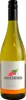
Winery SasbacherLimburg Grauer Burgunder Spätlese Trocken
 White wine


In the mouth this white wine is a .
This wine generally goes well with pork, cured meat or mushrooms.
Taste structure of the Limburg Grauer Burgunder Spätlese Trocken from the Winery Sasbacher
Light | Bold | |
Dry | Sweet | |
Soft | Acidic |
In the mouth the Limburg Grauer Burgunder Spätlese Trocken of Winery Sasbacher in the region of Baden is a .
Food and wine pairings with Limburg Grauer Burgunder Spätlese Trocken
Pairings that work perfectly with Limburg Grauer Burgunder Spätlese Trocken


Original food and wine pairings with Limburg Grauer Burgunder Spätlese Trocken

The Limburg Grauer Burgunder Spätlese Trocken of Winery Sasbacher matches generally quite well with dishes of pork, spicy food or mushrooms such as recipes of potato and bacon omelette, traditional tunisian couscous or sturgeon with chanterelles.
Details and technical informations about Winery Sasbacher's Limburg Grauer Burgunder Spätlese Trocken.
Discover the grape variety: Kernling
Natural mutation of the kerner found in Germany in 1974 by Herrn Ludwig Hochdörffer and put in culture in 1995. Kernling can be found in Germany, Switzerland, England, ... in France it is almost unknown.
Last vintages of this wine
The best vintages of Limburg Grauer Burgunder Spätlese Trocken from Winery Sasbacher are 0
Informations about the Winery Sasbacher
The Winery Sasbacher is one of of the world's great estates. It offers 57 wines for sale in the of Baden to come and discover on site or to buy online.

The wine region of Baden
German capital of Pinot Noir (Spätburgunder): silky, fine reds with notes of red fruits, cherry, undergrowth and sweet spices, melted tannins. Round Grauburgunder (Pinot Gris), lively Weissburgunder, supple Müller-Thurgau, mineral Riesling. Germany's 3rd region (15,000 ha) in Baden-Württemberg facing Alsace, one of the country's warmest climates, volcanic soils at the Kaiserstuhl. Cradle of modern great German reds, elegant and fine.
The word of the wine: Yeast
Micro-organisms at the base of all fermentative processes. A wide variety of yeasts live and thrive naturally in the vineyard, provided that treatments do not destroy them. Unfortunately, their replacement by laboratory-selected yeasts is often the order of the day and contributes to the standardization of the wine. Yeasts are indeed involved in the development of certain aromas.