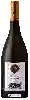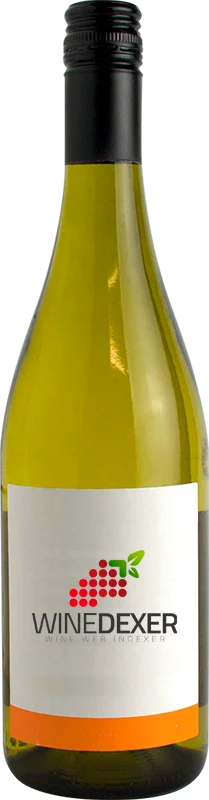
Winery Santa HelenaGran Vino Sauvignon Blanc
 White wine


In the mouth this white wine is a with a nice freshness.
This wine generally goes well with vegetarian, shellfish or goat cheese.

Taste structure of the Gran Vino Sauvignon Blanc from the Winery Santa Helena
Light | Bold | |
Dry | Sweet | |
Soft | Acidic |
In the mouth the Gran Vino Sauvignon Blanc of Winery Santa Helena in the region of Central Valley is a with a nice freshness.
Food and wine pairings with Gran Vino Sauvignon Blanc
Pairings that work perfectly with Gran Vino Sauvignon Blanc


Original food and wine pairings with Gran Vino Sauvignon Blanc
The Gran Vino Sauvignon Blanc of Winery Santa Helena matches generally quite well with dishes of shellfish, vegetarian or goat cheese such as recipes of scallops or scallops express with cognac, leek, goat cheese and bacon quiche or goat's cheese, pepper, tomato and bacon tart.
Details and technical informations about Winery Santa Helena's Gran Vino Sauvignon Blanc.
Discover the grape variety: Calabre blanc
Aromatic dry and semi-dry whites with a pale golden colour, a supple palate with moderate acidity, and characteristic muscat aromas (fresh grape, flowers) with Mediterranean notes. Simple profile. Nearly extinct in commercial cultivation, preserved in varietal collections; witnesses the historical spread of Italian varieties across central and eastern Europe. Historic Italian white variety, once grown in central and southern Italy and eastern Europe.
Last vintages of this wine

The best vintages of Gran Vino Sauvignon Blanc from Winery Santa Helena are 2011, 2014, 0, 2013 and 2012.
Informations about the Winery Santa Helena
The Winery Santa Helena is one of of the world's great estates. It offers 91 wines for sale in the of Central Valley to come and discover on site or to buy online.

The wine region of Central Valley
Heart of modern Chilean wine: structured, sunny reds, dense, blackcurranty Cabernet Sauvignon from Maipo (Chilean cradle of the grape), signature Carménère with notes of ripe pepper, black fruit and sweet spices from Colchagua, supple Merlot and deep Syrah. Round Chardonnay whites and lively, sharp Sauvignon. Mediterranean climate, 400 km between Andes and Pacific. Star sub-regions: Maipo, Cachapoal, Colchagua, Curicó, Maule.
The word of the wine: Mercaptan
Organic compound resulting from the combination of alcohol and sulphide (H2S) producing an unpleasant odour reminiscent of town gas and rotten eggs.