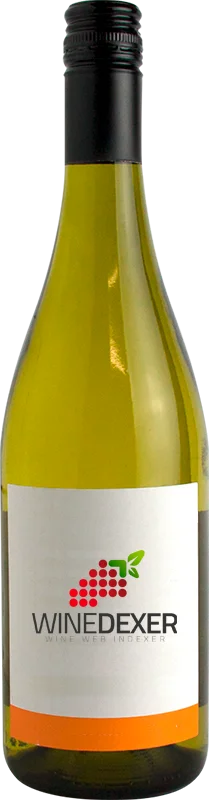
Winery Sant'IlarioBianco
 White wine
In the mouth this white wine is a with a nice freshness.
This wine generally goes well with vegetarian, appetizers and snacks or lean fish.

Taste structure of the Bianco from the Winery Sant'Ilario
Light | Bold | |
Dry | Sweet | |
Soft | Acidic |
In the mouth the Bianco of Winery Sant'Ilario in the region of Tuscany is a with a nice freshness.
Food and wine pairings with Bianco
Pairings that work perfectly with Bianco



Original food and wine pairings with Bianco


The Bianco of Winery Sant'Ilario matches generally quite well with dishes of pasta, vegetarian or appetizers and snacks such as recipes of spaghetti with clams, quiche with bacon and gruyère cheese or aperitif puff pastries (cheese matches, puff pastries with....
Details and technical informations about Winery Sant'Ilario's Bianco.
Discover the grape variety: Viosinho
Structured, aromatic dry whites with a pale golden colour, an ample palate and preserved acidity, showing refined aromas of citrus (lemon, orange), white flowers (acacia, orange blossom), yellow fruits (pear, peach, apricot) and schistous mineral notes. Fine ageing and cellaring potential. An essential component of the great whites of Douro DOC and white Port. Indigenous Portuguese variety of the Douro and Trás-os-Montes, signature of north-eastern Portugal.
Informations about the Winery Sant'Ilario
The Winery Sant'Ilario is one of of the world's greatest estates. It offers 10 wines for sale in the of Tuscany to come and discover on site or to buy online.

The wine region of Tuscany
Kingdom of Sangiovese: upright reds with cherry, plum, dried herbs and leather, lively acidity and firm tannins. Fleshy, food-friendly Chianti Classico DOCG, deep long-ageing Brunello di Montalcino (spice, tobacco, ripe black fruit), elegant Vino Nobile di Montepulciano. On the coast, Bolgheri crafts the opulent Cabernet- and Merlot-based 'Super Tuscans'. Some fresh white Vernaccia.
The word of the wine: Sorting
Action which consists in removing the bad grains, not ripe or affected by the rot. We often use vibrating sorting tables which, by shaking, make the impurities fall to the ground. In the case of sweet wines, we speak of harvesting by successive selections, in several passages, to select the very ripe grapes each time.