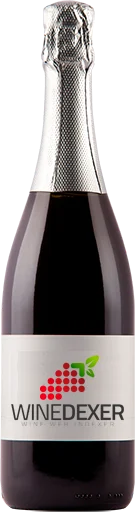
Winery San NazarioFior d'Arancio
 Sparkling wine


This wine generally goes well with

Details and technical informations about Winery San Nazario's Fior d'Arancio.
Discover the grape variety: Melnik
Powerful and structured reds with a dark ruby robe, firm tannins and preserved acidity, with intense aromas of ripe black fruits (blackberry, plum), tobacco, leather, spices, Mediterranean herbs and balsamic notes. Good ageing potential. Star of the Melnik hillsides in the Struma valley in south-west Bulgaria, signature of the country's finest reds for ageing. An autochthonous Bulgarian variety (Shiroka Melnishka Loza, "broad leaf"), with very late ripening.
Last vintages of this wine
The best vintages of Fior d'Arancio from Winery San Nazario are 2016, 0
Informations about the Winery San Nazario
The Winery San Nazario is one of of the world's greatest estates. It offers 13 wines for sale in the of Colli Euganei Fior d'Arancio to come and discover on site or to buy online.

The wine region of Colli Euganei Fior d'Arancio
DOCG of the volcanic Euganean Hills of Abano (Padua, 50-400 m, almost Mediterranean climate with thermal range): Moscato Giallo is the exclusive signature variety (≥95%) as aromatic sweet white — delicate orange blossom aroma (the namesake), floral notes, citrus, apricot and sweet spice, sugar-acid balance preserved by volcanic freshness. Spumante, secco and passito versions (dried grapes), thick skins and high sugar concentrations. DOCG 2011.
The wine region of Veneto
World star of Prosecco: fresh, light Glera sparklers with notes of pear, green apple and white flowers, fruity, convivial bubbles. Veronese reds from Corvina and Rondinella: light, crisp Bardolino, fruity Valpolicella, opulent, concentrated Amarone DOCG (black cherry, chocolate, raisin) from dried grapes. Mineral, almondy Soave (Garganega) whites, fresh Pinot Grigio. 97,500 ha, Italy's largest production.
The word of the wine: Demi-sec
Champagne with between 33 and 50 grams of sugar (see dosage liqueur).