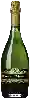
Winery San Juan CellarsRiesling
 wine
wine
This wine generally goes well with
The Riesling of the Winery San Juan Cellars is in the top 0 of wines of Puget Sound.
Details and technical informations about Winery San Juan Cellars's Riesling.
Discover the grape variety: Cornalin d'Aoste
It is a variety of Valle d'Aosta origin and, like Arvine, it is also found in Italy. In the past, it was cultivated in Savoy and registered in the official catalogue of wine grape varieties, list B, under the name of red humagne, but it is not related to white humagne. According to recent genetic analyses, the Swiss variety Cornalin du Valais is its father and Rèze its grandmother. It is also the grandson of the petit rouge d' Aoste.
Informations about the Winery San Juan Cellars
The Winery San Juan Cellars is one of of the world's greatest estates. It offers 11 wines for sale in the of Puget Sound to come and discover on site or to buy online.

The wine region of Puget Sound
The wine region of Puget Sound is located in the region of Washington of United States. Wineries and vineyards like the Domaine Ste. Michelle or the Domaine Ste. Michelle produce mainly wines white, red and sparkling.
The wine region of Washington
Washington State is located in the Pacific Northwest of the United States, immediately north of Oregon. Although the history of the wine industry is relatively Short, Washington's 900-plus wineries and 350-plus independent winemakers, with more than 50,000 acres of vineyards, now produce more wine than any other state except California. Almost all wine production is in the hot, desert-like eastern Part of Washington, although there is some Grape growing and an AVA (Puget Sound) in the cooler, wetter west. White Chardonnay and Riesling grapes, and red Merlot, Cabernet Sauvignon and Syrah grapes are the main varieties grown in Washington, but the region produces quality wines from nearly 70 different grape varieties.
The word of the wine: Cellar
A place for storing and ageing wines in bottles. This term designates both the cellar of a private individual and that of a restaurant. It is also a store dedicated to the retail sale of wine.