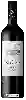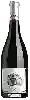
Château SalauzeMinervois Les Marbrières
 Red wine


In the mouth this red wine is a powerful with a nice balance between acidity and tannins.
This wine generally goes well with beef, veal or pasta.

Taste structure of the Minervois Les Marbrières from the Château Salauze
Light | Bold | |
Smooth | Tannic | |
Dry | Sweet | |
Soft | Acidic |
In the mouth the Minervois Les Marbrières of Château Salauze in the region of Languedoc-Roussillon is a powerful with a nice balance between acidity and tannins.
Food and wine pairings with Minervois Les Marbrières
Pairings that work perfectly with Minervois Les Marbrières



Original food and wine pairings with Minervois Les Marbrières
The Minervois Les Marbrières of Château Salauze matches generally quite well with dishes of beef, pasta or veal such as recipes of improved horse steak, express beef cannelloni or blanquette of veal in pickle sauce.
Details and technical informations about Château Salauze's Minervois Les Marbrières.
Discover the grape variety: Knipperlé
Dry, lively and neutral whites, with a pale golden robe, a taut palate with preserved acidity on undemonstrative citrus and white flower aromas. Discreet and productive rustic profile. Once more widespread, today virtually extinct, preserved in INRAE varietal collections and a few patrimonial Alsatian parcels, it testifies to the pre-phylloxera ampelographic heritage of Alsace. Autochthonous Alsatian white variety.
Last vintages of this wine
The best vintages of Minervois Les Marbrières from Château Salauze are 2016
Informations about the Château Salauze
The Château Salauze is one of of the world's greatest estates. It offers 3 wines for sale in the of Minervois to come and discover on site or to buy online.

The wine region of Minervois
Mediterranean Languedoc reds (84% of output) north of the Canal du Midi. Signature Syrah with notes of blackberry, violet, black pepper and garrigue, blended with dense Mourvèdre, sunny Grenache (candied red fruits, spices) and old-vine Carignan (black fruits, dry herbs, firm tannins). Fleshy palate, freshness at altitude. Minervois-La Livinière cru at the top (1999), dense and age-worthy.
The wine region of Languedoc-Roussillon
Largest single French vineyard, dominated by sunny, generous reds. Spicy Syrah, candied Grenache (ripe fruit, garrigue), structured Carignan, deep Mourvèdre, supple Cinsault. Stars: structured Corbières, Minervois, Faugères, Saint-Chinian; round Côtes-du-Roussillon. Legendary vins doux naturels: Banyuls and Maury (fortified Grenache) with notes of cocoa, fig, prune.
The word of the wine: CM
Mention on the label of a champagne. It is a handling cooperative that produces on its own premises and markets under its own brand the wines made from the grapes harvested by its members.