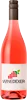
Château Saint-EspritBatti Batti Rosé
 Pink wine



This wine generally goes well with beef, lamb or mature and hard cheese.

Food and wine pairings with Batti Batti Rosé
Pairings that work perfectly with Batti Batti Rosé



Original food and wine pairings with Batti Batti Rosé

The Batti Batti Rosé of Château Saint-Esprit matches generally quite well with dishes of beef, lamb or spicy food such as recipes of tournedos rossini with port sauce, 7 o'clock leg of lamb or cicadas at the chib.
Details and technical informations about Château Saint-Esprit's Batti Batti Rosé.
Discover the grape variety: Dakapo
Deeply coloured, supple reds with an intense, almost opaque purple colour, soft tannins and an ample palate, with signature aromas of black fruits (blackcurrant, blackberry), gentle spices and inky notes. Accessible teinturier profile. Used in blending to boost colour in light reds; grown on small areas in Germany, Switzerland and Belgium. German hybrid teinturier variety bred in 1958 (Deckrot × Portugieser).
Last vintages of this wine
The best vintages of Batti Batti Rosé from Château Saint-Esprit are 0, 2020
Informations about the Château Saint-Esprit
The Château Saint-Esprit is one of of the world's greatest estates. It offers 17 wines for sale in the of Méditerranée to come and discover on site or to buy online.

The wine region of Méditerranée
Vast IGP of south-east France (Provence, Vaucluse, Var, Corsica, Ardèche), 75% rosés. Fresh, fruity rosés with signature notes of strawberry, raspberry, citrus, white flowers and a Mediterranean touch, taut and thirst-quenching on the palate — the quintessential sunny aperitif. Supple reds blending Grenache, Syrah, Cabernet and Merlot (red fruits, garrigue, spice), full whites of Viognier (apricot, flowers) and Chardonnay. Generous everyday wines, expression of the south.
The word of the wine: Oenologist
Specialist in wine-making techniques. It is a profession and not a passion: one can be an oenophile without being an oenologist (and the opposite too!). Formerly attached to the Faculty of Pharmacy, oenology studies have become independent and have their own university course. Learning to make wine requires a good chemical background but also, increasingly, a good knowledge of the plant. Some oenologists work in laboratories (analysis). Others, the consulting oenologists, work directly in the properties.