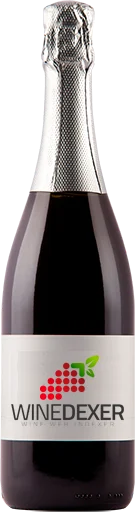
Winery RosièreRosé Dry
 Sparkling wine


This wine generally goes well with beef and mature and hard cheese.

Food and wine pairings with Rosé Dry
Pairings that work perfectly with Rosé Dry


Original food and wine pairings with Rosé Dry
The Rosé Dry of Winery Rosière matches generally quite well with dishes of beef or mature and hard cheese such as recipes of chili con carne or high savoyard chicken !.
Details and technical informations about Winery Rosière's Rosé Dry.
Discover the grape variety: Raisaine
Simple, fresh dry whites with a pale golden robe, a supple palate and preserved acidity, with understated aromas of white flowers, citrus (lemon) and herbal notes. A rustic profile now almost absent from commercial viticulture. Preserved in INRAE varietal collections, it bears witness to the pre-phylloxera ampelographic diversity of the South-West. Rare French white grape, once grown in the South-West and studied for its heritage value.
Last vintages of this wine

The best vintages of Rosé Dry from Winery Rosière are 2014
Informations about the Winery Rosière
The Winery Rosière is one of of the world's greatest estates. It offers 11 wines for sale in the of Rhone Valley to come and discover on site or to buy online.

The wine region of Rhone Valley
France's 2nd-largest AOC vineyard, two complementary worlds. Northern: pure Syrah in signature reds (Côte-Rôtie, Hermitage, Cornas), deep and peppery with blackberry, violet, black olive and smoked bacon notes, exceptional ageing. Opulent Viognier whites (Condrieu, apricot, flowers) and ample Marsanne-Roussanne. Southern: sun-soaked Grenache blends at Châteauneuf, Gigondas, Vacqueyras (candied fruit, garrigue).
The word of the wine: Drain
Stopper, originally made of wood, used to plug barrels and more generally all wooden containers used to store or mature wine.