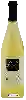
Winery Rose VineyardsPetite Petit
 wine
wine
This wine generally goes well with
The Petite Petit of the Winery Rose Vineyards is in the top 0 of wines of Connecticut.

Details and technical informations about Winery Rose Vineyards's Petite Petit.
Discover the grape variety: Troyen
Simple, fresh dry whites with a pale golden colour, a supple palate with moderate acidity, and understated aromas of citrus and white flowers. Discreet Champenois profile. Nearly extinct, preserved in varietal collections for its heritage value, it belongs to the ancient grape varieties of Champagne and the Aube studied for their genetic and historical interest. A rare French white grape variety once cultivated in Champagne and the Aube.
Informations about the Winery Rose Vineyards
The Winery Rose Vineyards is one of of the world's greatest estates. It offers 4 wines for sale in the of Connecticut to come and discover on site or to buy online.

The wine region of Connecticut
New England wine state, glacial soils (schist, gneiss, loam). Coast tempered by Long Island Sound, favouring Bordeaux varieties. Signature Cabernet Franc: elegant and peppery with signature notes of raspberry, red cherry, red pepper, violet, fresh herbs and a spicy touch, fine tannins and fresh palate — friendly cool-climate style. Round Merlot (plum, cherry).
The word of the wine: Tressallier
White grape variety from the Allier region, identical to the Sacy variety grown in Burgundy. Rarely vinified on its own, it is used in the blending of Saint-Pourçain white wines, associated with chardonnay, the main grape variety of the appellation. Syn.: sacy.