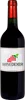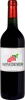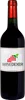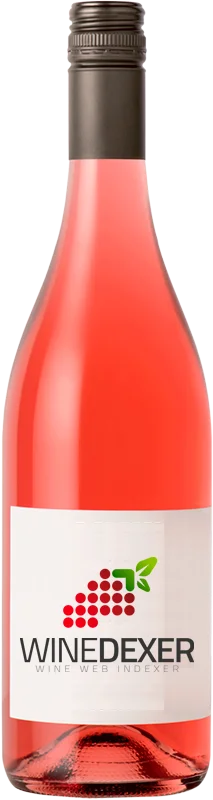
Winery Ropiteau FreresLa Cuvée Rosé
 Pink wine


This wine generally goes well with pork, beef or lamb.
Food and wine pairings with La Cuvée Rosé
Pairings that work perfectly with La Cuvée Rosé



Original food and wine pairings with La Cuvée Rosé

The La Cuvée Rosé of Winery Ropiteau Freres matches generally quite well with dishes of beef, lamb or pork such as recipes of meat and goat pie, lamb sweetbreads with white wine and sorrel cream or pork stew with bacon and cream.
Details and technical informations about Winery Ropiteau Freres's La Cuvée Rosé.
Discover the grape variety: Bertille Seyve 872
Interspecific crossing made by Bertille Seyve (1864-1944) between 85 Seibel and 2 Gaillard. This direct producing hybrid was mainly multiplied in the center of France where we found it and photographed it, but also in the departments of the Rhone valley, the Loiret valley, Isère, Vienne and Nièvre.
Last vintages of this wine
The best vintages of La Cuvée Rosé from Winery Ropiteau Freres are 2016, 2008
Informations about the Winery Ropiteau Freres
The Winery Ropiteau Freres is one of of the world's great estates. It offers 162 wines for sale in the of Burgundy to come and discover on site or to buy online.

The wine region of Burgundy
Bourgogne is the catch-all regional appellation title of the Burgundy wine region in eastern France ("Bourgogne" is the French name for Burgundy). Burgundy has a Complex and comprehensive appellation system; counting Premier Cru and Grand Cru titles, the region has over 700 appellation titles for its wines. Thus, Burgundy wines often come from one Vineyard (or several separate vineyards) without an appellation title specific to the region, Village or even vineyard. A standard Burgundy wine may be made from grapes grown in one or more of Burgundy's 300 communes.
The word of the wine: Cep
Grapevine.