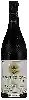
Winery Roche WinesGrenache Noir
 Red wine


This wine generally goes well with beef and mature and hard cheese.

Wine flavors and olphactive analysis


On the nose the Grenache Noir of Winery Roche Wines in the region of Rhone Valley often reveals types of flavors of cherry, oak or red fruit and sometimes also flavors of black fruit.
Food and wine pairings with Grenache Noir
Pairings that work perfectly with Grenache Noir


Original food and wine pairings with Grenache Noir
The Grenache Noir of Winery Roche Wines matches generally quite well with dishes of beef or mature and hard cheese such as recipes of american fillet (belgian-style beef tartar) or cheese soufflé omelette.
Details and technical informations about Winery Roche Wines's Grenache Noir.
Discover the grape variety: Malvasia di Schierano
Sweet, sparkling reds with a light ruby colour and pink foam, melted tannins and a bubbly, off-dry palate, offering signature aromas of rose, violet, fresh red fruits (strawberry, raspberry) and delicate floral notes. A festive and accessible profile. Star of the Malvasia di Castelnuovo Don Bosco DOC, charming with its light frizzante sweetness. Black Malvasia variety grown near Schierano in Piedmont.
Last vintages of this wine
The best vintages of Grenache Noir from Winery Roche Wines are 2017
Informations about the Winery Roche Wines
The Winery Roche Wines is one of of the world's greatest estates. It offers 2 wines for sale in the of Rhone Valley to come and discover on site or to buy online.

The wine region of Rhone Valley
France's 2nd-largest AOC vineyard, two complementary worlds. Northern: pure Syrah in signature reds (Côte-Rôtie, Hermitage, Cornas), deep and peppery with blackberry, violet, black olive and smoked bacon notes, exceptional ageing. Opulent Viognier whites (Condrieu, apricot, flowers) and ample Marsanne-Roussanne. Southern: sun-soaked Grenache blends at Châteauneuf, Gigondas, Vacqueyras (candied fruit, garrigue).
The word of the wine: De-vatting
Separation of the fermented juice from all solid particles (skin, pips, deposit of lees) by transferring it to a second tank.