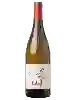
Château Roc de BoutyMoelleux Côtes De Bergerac
 Red wine


This wine generally goes well with
Details and technical informations about Château Roc de Bouty's Moelleux Côtes De Bergerac.
Discover the grape variety: Bourboulenc
Bourboulenc is mainly grown in the southern part of France. It is a white grape variety that ripens quite late. It can only be harvested around 25 September and for an average of only one month. Bourboulenc is particularly fond of low-lying, but at the same time warm and dry locations. The aroma of this grape variety is not very pronounced, but it has a certain exotic fruit and floral aroma such as broom. The result is a low alcohol wine with subtle and fleeting aromas. Blanquette, bourboulanc, bourboulenque, doucillon, clairette dorée and clairette blanche are all names that can designate bourboulenc. This grape variety is very sensitive to diseases common to all vine plants such as magnesium deficiency, mildew and oidium. Bourboulenc can be used as a table grape. Most French people keep the bunches until Christmas in order to present them on the festive table as desserts.
Last vintages of this wine
The best vintages of Moelleux Côtes De Bergerac from Château Roc de Bouty are 2011
Informations about the Château Roc de Bouty
The Château Roc de Bouty is one of of the world's greatest estates. It offers 4 wines for sale in the of South West to come and discover on site or to buy online.

The wine region of South West
The South-West is a large territorial area of France, comprising the administrative regions of Aquitaine, Limousin and Midi-Pyrénées. However, as far as the French wine area is concerned, the South-West region is a little less clear-cut, as it excludes Bordeaux - a wine region so productive that it is de facto an area in its own right. The wines of the South West have a Long and eventful history. The local rivers play a key role, as they were the main trade routes to bring wines from traditional regions such as Cahors, Bergerac, Buzet and Gaillac to their markets.
The word of the wine: Liquid
Sweet wine containing more than 50 grams of residual sugar per liter. Sweet wines are made from grapes often affected by botrytis cinerea and concentrated either by passerillage (drying of the grapes on the vine stock), or after the harvest (straw wines), or by the cold (ice wines).