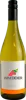
Winery ReutherWinner Gesprächsstoff Weisswein Cuvée
 White wine



This wine generally goes well with
Details and technical informations about Winery Reuther's Winner Gesprächsstoff Weisswein Cuvée.
Discover the grape variety: Corvinone
It has been cultivated for a very long time in northern Italy, but in France it is hardly known. It should not be confused with corvina, another Italian grape variety that is very present in the same region, both of which are most often associated with rondinella and molinara.
Last vintages of this wine
The best vintages of Winner Gesprächsstoff Weisswein Cuvée from Winery Reuther are 2019, 0
Informations about the Winery Reuther
The Winery Reuther is one of of the world's greatest estates. It offers 13 wines for sale in the of Pfalz to come and discover on site or to buy online.

The wine region of Pfalz
Pfalz is a key wine producing region in western Germany, located between the Rhein/Rhine river and the low-lying Haardt mountain range (a natural continuation of the Alsatian Vosges). It covers a rectangle of land 45 miles (75km) Long and 15 miles (25km) wide. To the NorthLiesRheinhessen; to the South, the French border and Alsace. In terms of both quality and quantity, Pfalz is one of Germany's most important regions, and one which shows great promise for the future.
The word of the wine: Trimmer
Elevated tractor that allows you to pass through the vineyards by straddling them.