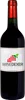
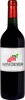
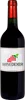
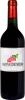
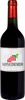
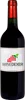
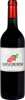
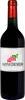
Winery RaicesGraciano
 Red wine



In the mouth this red wine is a powerful.
This wine generally goes well with poultry, beef or veal.

Taste structure of the Graciano from the Winery Raices
Light | Bold | |
Smooth | Tannic | |
Dry | Sweet | |
Soft | Acidic |
In the mouth the Graciano of Winery Raices in the region of Navarre is a powerful.
Food and wine pairings with Graciano
Pairings that work perfectly with Graciano



Original food and wine pairings with Graciano

The Graciano of Winery Raices matches generally quite well with dishes of beef, pasta or veal such as recipes of beef kidney, spaghetti with squid ink (italy) or roast veal orloff with mushrooms.
Details and technical informations about Winery Raices's Graciano.
Discover the grape variety: Ravat blanc
Simple, fresh dry whites with a pale golden robe, supple palate and preserved acidity, with undemonstrative aromas of white flowers, citrus (lemon) and hybrid notes. Productive profile for early drinking. Grown in small quantities in France and Canada for continental-climate vineyards, a witness to post-phylloxera French hybridization history. French white hybrid created by Jean-François Ravat in the early 20th century.
Last vintages of this wine
The best vintages of Graciano from Winery Raices are 2017, 0
Informations about the Winery Raices
The Winery Raices is one of of the world's greatest estates. It offers 39 wines for sale in the of Navarre to come and discover on site or to buy online.

The wine region of Navarre
Spanish reference for great Garnacha rosés: raspberry-pink colour, notes of crushed strawberry, cherry, citrus and white flowers, dry and gourmet palate. The emblematic grape (~70% of reds in the past), also in supple, sun-filled reds. Tempranillo on the rise in modern blends, fine spicy Graciano, Cabernet and Merlot. Fresh Chardonnay and Viura whites.
The word of the wine: Water stress
Lack of water. Water stress blocks the vegetative cycle of the vine, which uses all available resources to maintain the integrity of the plant, thus blocking the ripening process of the grapes.