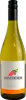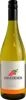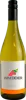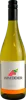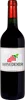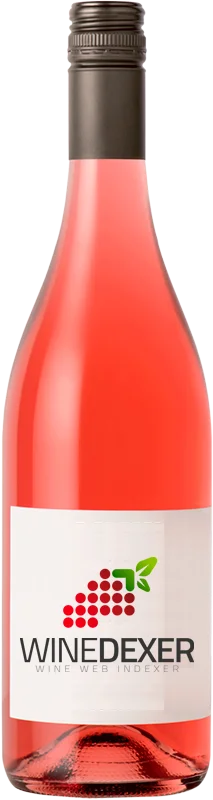
Winery Quinta dos ValesMarquês dos Vales Selecta Rosé
 Pink wine



This wine generally goes well with
Details and technical informations about Winery Quinta dos Vales's Marquês dos Vales Selecta Rosé.
Discover the grape variety: Verdesse
Verdesse is a white grape variety, grown on an area of about 5 ha. It is found particularly in the Grésivaudan and Drac valleys. It is also called verdêche, étraire blanche de Grenoble or verdasse. The leaves are lobed and dark green in colour. Long, sturdy stalks carry the bunches. A juicy and sweet flesh is found under the white skin, turning amber red, of the mature berries. The berries are medium-sized and ellipsoid in shape. To be productive and vigorous, the variety is pruned rather long. Verdesse is not very resistant to mildew and powdery mildew, but it is very resistant to grey rot. A particularly alcoholic wine is produced from this variety. It has a pleasant flavour and a vegetal and floral scent. This wine does not keep long, and is best consumed during the first few years.
Last vintages of this wine
The best vintages of Marquês dos Vales Selecta Rosé from Winery Quinta dos Vales are 0, 2016
Informations about the Winery Quinta dos Vales
The Winery Quinta dos Vales is one of of the world's great estates. It offers 65 wines for sale in the of Algarve to come and discover on site or to buy online.

The wine region of Algarve
Algarve ('the Algarve' to most English speakers) is the southernmost wine region of Portugal, and the far southwestern corner of the Iberian Peninsula. It is more widely known for its beaches and thriving tourist industry than its wines. Although a small quantity of fresh-styled white wines are made here, the wines of the Algarve are predominantly red, and made from classic Portuguese varieties like Castelão and Touriga Nacional, as well as more international varieties like Syrah. The region's wines are produced largely by a by a small number of upscale co-operatives, although the fashion for independent producers is catching on quickly.
The word of the wine: Deposit
Solid particles that can naturally coat the bottom of a bottle of wine. It is rather a guarantee that the wine has not been mistreated: in fact, to avoid the natural deposit, rather violent processes of filtration or cold passage (- 7 or - 8 °C) are used in order to precipitate the tartar (the small white crystals that some people confuse with crystallized sugar: just taste to dissuade you from it)