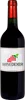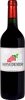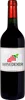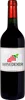
Winery Quinta do OlivardoHenri Tannat Tinto Seco
 Red wine


This wine generally goes well with beef

Food and wine pairings with Henri Tannat Tinto Seco
Pairings that work perfectly with Henri Tannat Tinto Seco

Original food and wine pairings with Henri Tannat Tinto Seco
The Henri Tannat Tinto Seco of Winery Quinta do Olivardo matches generally quite well with dishes of beef such as recipes of pork tongue with bacon and onions.
Details and technical informations about Winery Quinta do Olivardo's Henri Tannat Tinto Seco.
Discover the grape variety: Tannat
Powerful, tannic reds with inky colour and dense texture, with aromas of blackberry, blackcurrant, black plum, leather, liquorice and smoky notes. Very high ageing potential and polyphenol content (health reputation). Star of Madiran AOC in Béarn and the national grape of Uruguay (Canelones, Maldonado). Also grown in Irouléguy and Tursan. Late-ripening red variety from south-west France.
Last vintages of this wine

The best vintages of Henri Tannat Tinto Seco from Winery Quinta do Olivardo are 2018, 0
Informations about the Winery Quinta do Olivardo
The Winery Quinta do Olivardo is one of of the world's greatest estates. It offers 9 wines for sale in the of Sao Paulo to come and discover on site or to buy online.

The wine region of Sao Paulo
Wine state of south-east Brazil, with its heart at São Roque ("Terra do Vinho") founded by Italian and Portuguese immigrants in the 18th c. Traditional-method sparkling as stars: fresh, lively bubblies with notes of green apple, citrus, white flowers and brioche, a fine bubble. Supple reds blending Bonarda, Barbera and fleshy Tannat, round tannins. Perfumed Muscat sweet wines (orange blossom, honey).
The word of the wine: Venaison
Applied to the bouquet of a wine reminiscent of the smell of big game.