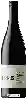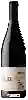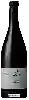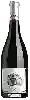
Winery Pujol IzardLa Mitre de l'Evêque
 Red wine


In the mouth this red wine is a powerful with a nice balance between acidity and tannins.
This wine generally goes well with beef, veal or pasta.

Taste structure of the La Mitre de l'Evêque from the Winery Pujol Izard
Light | Bold | |
Smooth | Tannic | |
Dry | Sweet | |
Soft | Acidic |
In the mouth the La Mitre de l'Evêque of Winery Pujol Izard in the region of Languedoc-Roussillon is a powerful with a nice balance between acidity and tannins.
Food and wine pairings with La Mitre de l'Evêque
Pairings that work perfectly with La Mitre de l'Evêque



Original food and wine pairings with La Mitre de l'Evêque
The La Mitre de l'Evêque of Winery Pujol Izard matches generally quite well with dishes of beef, pasta or veal such as recipes of homemade beef stew, lasagna bolognese or marinated veal skewers with herbs.
Details and technical informations about Winery Pujol Izard's La Mitre de l'Evêque.
Discover the grape variety: Picpoul Noir
Supple, fruity reds with a clear ruby robe, smooth tannins and an airy palate with cutting acidity. Signature aromas of red fruits (cherry, raspberry), soft spices and floral southern notes. Elegant, vibrant-acid profile. Traditional component of Languedoc blends and one of the 13 authorised grapes of Châteauneuf-du-Pape AOC, embodying Rhône heritage. Black-skinned variant of Picpoul, once more widely planted in the South.
Last vintages of this wine

The best vintages of La Mitre de l'Evêque from Winery Pujol Izard are 2011, 2015, 2014, 2012
Informations about the Winery Pujol Izard
The Winery Pujol Izard is one of of the world's greatest estates. It offers 58 wines for sale in the of Minervois to come and discover on site or to buy online.

The wine region of Minervois
Mediterranean Languedoc reds (84% of output) north of the Canal du Midi. Signature Syrah with notes of blackberry, violet, black pepper and garrigue, blended with dense Mourvèdre, sunny Grenache (candied red fruits, spices) and old-vine Carignan (black fruits, dry herbs, firm tannins). Fleshy palate, freshness at altitude. Minervois-La Livinière cru at the top (1999), dense and age-worthy.
The wine region of Languedoc-Roussillon
Largest single French vineyard, dominated by sunny, generous reds. Spicy Syrah, candied Grenache (ripe fruit, garrigue), structured Carignan, deep Mourvèdre, supple Cinsault. Stars: structured Corbières, Minervois, Faugères, Saint-Chinian; round Côtes-du-Roussillon. Legendary vins doux naturels: Banyuls and Maury (fortified Grenache) with notes of cocoa, fig, prune.
The word of the wine: Draft liquor
Liqueur composed of sugar dissolved in wine, used for the dosage of sparkling wines made by the traditional method. It is also known as "liqueur d'expédition" or "liqueur de dosage".