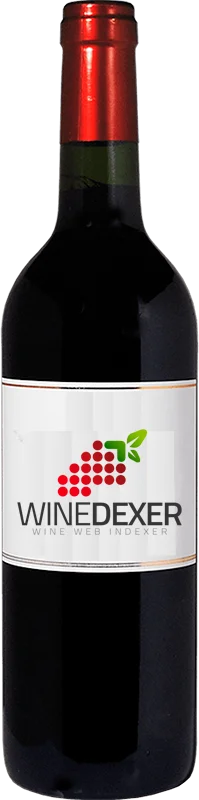
Winery PrelaturaReserva Barbera
 Red wine



This wine generally goes well with pork, poultry or mild and soft cheese.
The Reserva Barbera of the Winery Prelatura is in the top 10 of wines of Catamarca.

Food and wine pairings with Reserva Barbera
Pairings that work perfectly with Reserva Barbera



Original food and wine pairings with Reserva Barbera

The Reserva Barbera of Winery Prelatura matches generally quite well with dishes of pork, spicy food or poultry such as recipes of boeuf en daube, lomo saltado or wild asparagus omelette.
Details and technical informations about Winery Prelatura's Reserva Barbera.
Discover the grape variety: Danlas
Simple and fresh dry whites, pale golden colour, supple mouth with preserved acidity, with understated aromas of citrus and southern white flowers. Early-ripening and productive. Grown in small quantities in southern France, occasionally used in southern blends. French white grape bred in 1958 in Montpellier by Paul Truel (Chasselas x Ugni Blanc).
Last vintages of this wine
The best vintages of Reserva Barbera from Winery Prelatura are 2014, 0
Informations about the Winery Prelatura
The Winery Prelatura is one of of the world's greatest estates. It offers 7 wines for sale in the of Catamarca to come and discover on site or to buy online.

The wine region of Catamarca
Andean province of northwest Argentina, vineyards in high-altitude valleys (Tinogasta, Santa Maria up to 3,000 m, among the world's highest), dry windy desert climate. Torrontes reigns in white: brilliantly aromatic with jasmine, rose, citrus, lychee, white peach and honeyed touch — the world apex of Argentina's emblematic grape (Muscat cousin). Supple Cereza, peppery Syrah, fruity Bonarda, mountain Cabernet and Malbec. Sunny floral whites.
The word of the wine: Hautain (en)
Pruning of the vine in height.