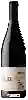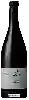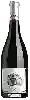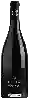
Winery Pouzols et MailhacMinervois
 Red wine
This wine generally goes well with beef, veal or pasta.

Food and wine pairings with Minervois
Pairings that work perfectly with Minervois



Original food and wine pairings with Minervois
The Minervois of Winery Pouzols et Mailhac matches generally quite well with dishes of beef, pasta or veal such as recipes of traditional hungarian goulash, spaghetti carbonara or deer stew.
Details and technical informations about Winery Pouzols et Mailhac's Minervois.
Discover the grape variety: Merlot
Round and fleshy reds with a velvety texture, showing aromas of ripe plum, black cherry, cocoa and truffle notes with age. Supple tannins, generous alcohol, indulgent finish. Pillar of Libournais (Pomerol with Pétrus, Saint-Émilion with Cheval Blanc and Ausone) and signature of Super Tuscans, Italian Wales and Washington State. A cross of Cabernet Franc × Magdeleine Noire, France's most planted red variety.
Informations about the Winery Pouzols et Mailhac
The Winery Pouzols et Mailhac is one of wineries to follow in Minervois.. It offers 30 wines for sale in the of Minervois to come and discover on site or to buy online.

The wine region of Minervois
Mediterranean Languedoc reds (84% of output) north of the Canal du Midi. Signature Syrah with notes of blackberry, violet, black pepper and garrigue, blended with dense Mourvèdre, sunny Grenache (candied red fruits, spices) and old-vine Carignan (black fruits, dry herbs, firm tannins). Fleshy palate, freshness at altitude. Minervois-La Livinière cru at the top (1999), dense and age-worthy.
The wine region of Languedoc-Roussillon
Largest single French vineyard, dominated by sunny, generous reds. Spicy Syrah, candied Grenache (ripe fruit, garrigue), structured Carignan, deep Mourvèdre, supple Cinsault. Stars: structured Corbières, Minervois, Faugères, Saint-Chinian; round Côtes-du-Roussillon. Legendary vins doux naturels: Banyuls and Maury (fortified Grenache) with notes of cocoa, fig, prune.
The word of the wine: Bâtonnage
A very old technique that has come back into fashion in modern oenology, which consists of shaking the white wine in the barrels at the end of fermentation, or after fermentation, with a stick or a flail, in order to suspend the fine lees composed of yeasts at the end of their activity. This process is sometimes used for red wines.