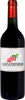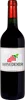
Winery Postup - Donja BandaVinogorje Pelje&scaronac Plavac Mali
 Red wine



This wine generally goes well with

Wine flavors and olphactive analysis




On the nose the Vinogorje Pelje&scaronac Plavac Mali of Winery Postup - Donja Banda in the region of Dalmatian Coast often reveals types of flavors of cherry, oaky or blackberry and sometimes also flavors of tobacco, vanilla or black cherries.
Details and technical informations about Winery Postup - Donja Banda's Vinogorje Pelje&scaronac Plavac Mali.
Discover the grape variety: Plavac mali
Powerful and alcoholic reds with an inky colour, firm tannins and a dense palate, on intense aromas of blackberry, candied plum, fig, Mediterranean garrigue (bay, rosemary), spices and balsamic notes. Excellent ageing potential. Star of the Dalmatian appellations Dingač and Postup on the vertiginous slopes of the Pelješac peninsula, also in Hvar and Brač. Native Croatian variety, a natural offspring of Crljenak Kaštelanski (ancestor of Zinfandel) × Dobričić.
Last vintages of this wine
The best vintages of Vinogorje Pelje&scaronac Plavac Mali from Winery Postup - Donja Banda are 2011, 2010, 2018, 2009 and 2008.
Informations about the Winery Postup - Donja Banda
The Winery Postup - Donja Banda is one of of the world's greatest estates. It offers 2 wines for sale in the of Dalmatian Coast to come and discover on site or to buy online.

The wine region of Dalmatian Coast
Croatia's Adriatic coast, native identity grapes in full revival. Signature Plavac Mali: powerful, sun-soaked reds with notes of candied blackberry, black plum, dried fig, garrigue, tobacco and spices, firm tannins and a warm palate — at its peak in Dingač and Postup (Pelješac). Also dense Babić. Ample, aromatic Pošip whites (pear, honey, fennel), lively Maraština, mineral Debit.
The word of the wine: Long
Wine with persistence in the mouth. This persistence in the mouth of a wine is measured in caudalies.