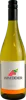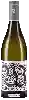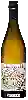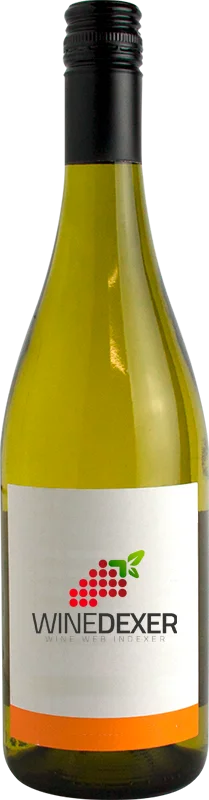
Winery PorzeltChardonnay Muschelkalk
 White wine



In the mouth this white wine is a with a nice freshness.
This wine generally goes well with pork, vegetarian or poultry.

Taste structure of the Chardonnay Muschelkalk from the Winery Porzelt
Light | Bold | |
Dry | Sweet | |
Soft | Acidic |
In the mouth the Chardonnay Muschelkalk of Winery Porzelt in the region of Pfalz is a with a nice freshness.
Wine flavors and olphactive analysis

On the nose the Chardonnay Muschelkalk of Winery Porzelt in the region of Pfalz often reveals types of flavors of oak.
Food and wine pairings with Chardonnay Muschelkalk
Pairings that work perfectly with Chardonnay Muschelkalk



Original food and wine pairings with Chardonnay Muschelkalk

The Chardonnay Muschelkalk of Winery Porzelt matches generally quite well with dishes of pork, rich fish (salmon, tuna etc) or vegetarian such as recipes of rice with sausage meat and tomatoes, tuna pizza or mushroom, bacon and gruyere quiche.
Details and technical informations about Winery Porzelt's Chardonnay Muschelkalk.
Discover the grape variety: Chardonnay
Whites with many faces: mineral and taut at Chablis (lemon, green apple, flint), opulent and buttery at Meursault and Puligny-Montrachet (hazelnut, brioche, yellow fruits), tense and chalky in Champagne (Blanc de Blancs). Also vinified sparkling and widely exported (Sonoma, Margaret River, Casablanca). A Burgundian variety, a cross of Pinot Noir × Gouais Blanc, half-sibling of Aligoté.
Last vintages of this wine
The best vintages of Chardonnay Muschelkalk from Winery Porzelt are 0
Informations about the Winery Porzelt
The Winery Porzelt is one of of the world's greatest estates. It offers 54 wines for sale in the of Pfalz to come and discover on site or to buy online.

The wine region of Pfalz
Fleshy, dry, fruity Riesling is the region's signature: yellow peach, apricot, ripe citrus, lovely mineral tension. Germany's largest red-wine area (40%), with silky Spätburgunder showing red fruit and spice, darker structured Dornfelder, supple Portugieser. Some rounded Pinot Blanc and Pinot Gris. A 23,640 ha vineyard along the Haardt, among Germany's warmest (>2,000 h of sun).
The word of the wine: Vinification of sweet wines
Moelleux and liquoreux wines are characterized by the presence of residual sugars (natural sugar of the grape), not transformed into alcohol under the effect of yeasts. The fermentation is stopped by cold and by the addition of sulphur dioxide (sulphur).