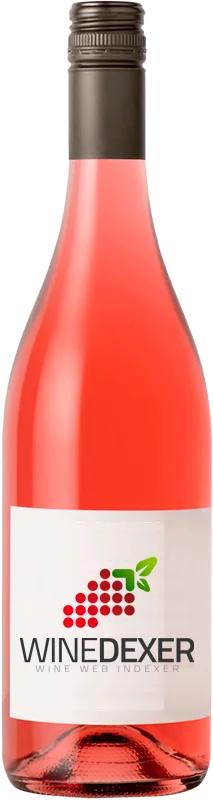
Winery PolyakMerlot Rozé
 Pink wine
This wine generally goes well with beef and game (deer, venison).

Food and wine pairings with Merlot Rozé
Pairings that work perfectly with Merlot Rozé


Original food and wine pairings with Merlot Rozé
The Merlot Rozé of Winery Polyak matches generally quite well with dishes of beef or game (deer, venison) such as recipes of beef tongue with mushrooms or rabbit with beer.
Discover the grape variety: Merlot
Round and fleshy reds with a velvety texture, showing aromas of ripe plum, black cherry, cocoa and truffle notes with age. Supple tannins, generous alcohol, indulgent finish. Pillar of Libournais (Pomerol with Pétrus, Saint-Émilion with Cheval Blanc and Ausone) and signature of Super Tuscans, Italian Wales and Washington State. A cross of Cabernet Franc × Magdeleine Noire, France's most planted red variety.
Informations about the Winery Polyak
The Winery Polyak is one of of the world's greatest estates. It offers 5 wines for sale in the of Kunság to come and discover on site or to buy online.

The wine region of Kunság
Hungary's largest wine region (~20,365 ha) on the sandy Great Plain — soils that prevent phylloxera, ungrafted vines. Kadarka signature red king (historic Bikavér grape): supple and spicy with red cherry, raspberry, plum, pepper and paprika notes, fine tannins. Fleshy Kékfrankos (blackberry, pepper), fruity Zweigelt, peppery Cabernet Franc. Bright Olaszrizling, taut Ezerjó, floral Kövidinka in whites.
The wine region of Duna
Hungary's largest wine region (= Alföld) between the Danube and Tisza, favourable continental climate on sandy and loess soils. Kékfrankos is the signature king red with cherry, raspberry, spice and a peppery touch, supple tannins and lively acidity. Kadarka and Zweigelt as full-bodied fruity reds. Olaszrizling (Welschriesling), aromatic Cserszegi Fűszeres, Kövidinka and Riesling as fresh whites with citrus, white flowers and a honeyed hint.
The word of the wine: Trimmer
Elevated tractor that allows you to pass through the vineyards by straddling them.