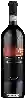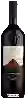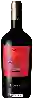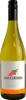
Winery PoderosaLunadu Vino del tempo
 Unknow wine


This wine generally goes well with

Wine flavors and olphactive analysis




On the nose the Lunadu Vino del tempo of Winery Poderosa in the region of Veneto often reveals types of flavors of earth, microbio or citrus fruit.
Details and technical informations about Winery Poderosa's Lunadu Vino del tempo.
Discover the grape variety: Peurion
Simple and barely aromatic whites with a pale golden colour, an airy palate with moderate acidity, and discreet signature aromas of white fruits and light floral notes. Confidential heritage profile. Almost extinct today, preserved in a few INRAE ampelographic collections; among the ancient varieties studied for their heritage and genetic interest. Rare French white variety, formerly grown in the South-West and the Rhône Valley.
Last vintages of this wine

The best vintages of Lunadu Vino del tempo from Winery Poderosa are 2012, 0
Informations about the Winery Poderosa
The Winery Poderosa is one of of the world's greatest estates. It offers 4 wines for sale in the of Veneto to come and discover on site or to buy online.

The wine region of Veneto
World star of Prosecco: fresh, light Glera sparklers with notes of pear, green apple and white flowers, fruity, convivial bubbles. Veronese reds from Corvina and Rondinella: light, crisp Bardolino, fruity Valpolicella, opulent, concentrated Amarone DOCG (black cherry, chocolate, raisin) from dried grapes. Mineral, almondy Soave (Garganega) whites, fresh Pinot Grigio. 97,500 ha, Italy's largest production.
The word of the wine: Ovoids (tanks)
Egg-shaped vats used for wine making and maturing that favour the natural suspension of the lees thanks to the vortex movements, which give the wine more fat and fruity aromas.