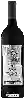
Winery Podere La Castellaccia di Alessandro TofanariChianti Colli Senesi
 wine
wine
This wine generally goes well with
The Chianti Colli Senesi of the Winery Podere La Castellaccia di Alessandro Tofanari is in the top 0 of wines of Chianti Colli Senesi.
Details and technical informations about Winery Podere La Castellaccia di Alessandro Tofanari's Chianti Colli Senesi.
Discover the grape variety: Dawn seedless
Cross between the gold and the pearl obtained in the United States (California) by Harold P. Olmo and Albert T. Koyama. This variety is also known in Chile. - Synonymy: davis g4-36 (for all the synonyms of the varieties, click here!).
Informations about the Winery Podere La Castellaccia di Alessandro Tofanari
The Winery Podere La Castellaccia di Alessandro Tofanari is one of of the world's greatest estates. It offers 12 wines for sale in the of Chianti Colli Senesi to come and discover on site or to buy online.

The wine region of Chianti Colli Senesi
The wine region of Chianti Colli Senesi is located in the region of Chianti of Toscane of Italy. Wineries and vineyards like the Domaine Il Colombaio di Santachiara or the Domaine Poderi del Paradiso produce mainly wines red and white. The most planted grape varieties in the region of Chianti Colli Senesi are Sangiovese, Merlot and Ciliegiolo, they are then used in wines in blends or as a single variety. On the nose of Chianti Colli Senesi often reveals types of flavors of cherry, cassis or chocolate and sometimes also flavors of vanilla, black currant or cocoa.
The wine region of Tuscany
Tuscany is one of the most famous and prolific wine regions in Europe. It is best known for its Dry red wines made from Sangiovese grapes, which dominate production. These include Chianti, Brunello di Montalcino and Vino Nobile di Montepulciano. The region's Vin Santo is also highly prized, as are its passito dessert wines, though these are produced in comparatively tiny quantities.
The word of the wine: Bâtonnage
A very old technique that has come back into fashion in modern oenology, which consists of shaking the white wine in the barrels at the end of fermentation, or after fermentation, with a stick or a flail, in order to suspend the fine lees composed of yeasts at the end of their activity. This process is sometimes used for red wines.