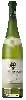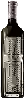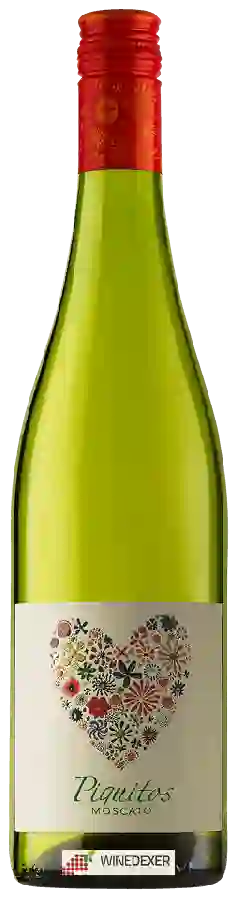
Winery PiquitosMoscato
 White wine



This wine generally goes well with sweet desserts
Wine flavors and olphactive analysis


On the nose the Moscato of Winery Piquitos in the region of Valence often reveals types of flavors of earth, tree fruit or citrus fruit and sometimes also flavors of floral.
Food and wine pairings with Moscato
Pairings that work perfectly with Moscato

Original food and wine pairings with Moscato
The Moscato of Winery Piquitos matches generally quite well with dishes of sweet desserts such as recipes of very simple muffins.
Details and technical informations about Winery Piquitos's Moscato.
Discover the grape variety: Meslier Saint François
Meslier Saint François is a French grape variety that comes from the Gatinais, located south of the Paris basin. It was obtained from a cross between Chenin and Gouais Blanc. It is planted on a surface area of 50 ha in France and is often confused with Arbois, hence the synonym it shares with the latter, Orbois. Its berries and clusters are of normal size. Its adult leaves have convex teeth. Meslier Saint François is not very vigorous, but it remains fertile. It buds early, 3 days before Chasselas. It is often exposed to spring frosts and is susceptible to oidium and grey rot. Meslier Saint François produces flat, light wines with little alcohol. When distilled, its eaux de vie are full of bouquet and fine. It can thus be used in the blending of grape varieties that produce cognac or armagnac.
Last vintages of this wine
The best vintages of Moscato from Winery Piquitos are 2019, 2013, 2018, 2015 and 0.
Informations about the Winery Piquitos
The Winery Piquitos is one of of the world's greatest estates. It offers 3 wines for sale in the of Valence to come and discover on site or to buy online.

The wine region of Valence
Valencia is a province in the centre of Spain's sunny east coast, perhaps better known for its oranges (and paella) than its wine. The administrative Center of Valencia is the city of the same name, the third largest in Spain and the largest port on the Mediterranean. Archaeological evidence suggests that wine making in Valencia dates back more than a thousand years, but the region has never been particularly prominent on the world wine map. In modern times, Valencia's wine production has focused on quantity rather than quality, although this is gradually changing.
The word of the wine: Rough
A very astringent and somewhat coarse tannic wine.