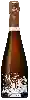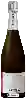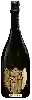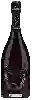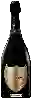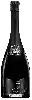
Winery Piot SevillanoProvocante Brut Champagne
 Sparkling wine


This wine generally goes well with pork, rich fish (salmon, tuna etc) or shellfish.

Food and wine pairings with Provocante Brut Champagne
Pairings that work perfectly with Provocante Brut Champagne



Original food and wine pairings with Provocante Brut Champagne

The Provocante Brut Champagne of Winery Piot Sevillano matches generally quite well with dishes of pork, rich fish (salmon, tuna etc) or shellfish such as recipes of stuffed squid in the sétoise sauce, tuna and mayonnaise onigiri or shrimp with cream and fettuccine.
Details and technical informations about Winery Piot Sevillano's Provocante Brut Champagne.
Discover the grape variety: Baroque
Structured, full-bodied dry whites with a pale golden hue, a broad palate and moderate acidity, featuring aromas of yellow fruits (pear, apricot), white flowers (acacia) and spicy Landes notes. Late ripening, resistant to powdery mildew. Star of the Tursan AOC, it defines Gascon whites and contributes to Landes white blends. Native white variety of the Adour basin, grown in Tursan and the Gers.
Last vintages of this wine
The best vintages of Provocante Brut Champagne from Winery Piot Sevillano are 0
Informations about the Winery Piot Sevillano
The Winery Piot Sevillano is one of of the world's greatest estates. It offers 20 wines for sale in the of Champagne to come and discover on site or to buy online.

The wine region of Champagne
World benchmark sparkling wines: fine bubbles, citrusy tension, notes of brioche, toasted almond, white flowers and white-fleshed fruits after ageing on lees. Three grapes blended or solo: fleshy Pinot Noir (38%), fruity Meunier (33%), chiselled Chardonnay (28%). From straight Blanc de Blancs to vinous Blanc de Noirs, from non-vintage Brut to age-worthy Millésimé. AOC since 1927, 34,300 ha on chalk, 17 Grands Crus and 44 Premiers Crus.
The word of the wine: Guyot (pruning)
This is the most widespread pruning technique. It includes one or two long branches and allows the mechanization of a large number of vineyard operations.