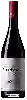
Winery Pietro di CampoSilenzio Barbera
 Red wine



In the mouth this red wine is a powerful with a nice freshness.
This wine generally goes well with pork, poultry or veal.

Taste structure of the Silenzio Barbera from the Winery Pietro di Campo
Light | Bold | |
Smooth | Tannic | |
Dry | Sweet | |
Soft | Acidic |
In the mouth the Silenzio Barbera of Winery Pietro di Campo in the region of Piedmont is a powerful with a nice freshness.
Wine flavors and olphactive analysis






On the nose the Silenzio Barbera of Winery Pietro di Campo in the region of Piedmont often reveals types of flavors of cherry, oaky or apples and sometimes also flavors of earthy, blackberry or blueberry.
Food and wine pairings with Silenzio Barbera
Pairings that work perfectly with Silenzio Barbera



Original food and wine pairings with Silenzio Barbera


The Silenzio Barbera of Winery Pietro di Campo matches generally quite well with dishes of pasta, veal or pork such as recipes of pasta cake, paupiettes à la mérignicaise or andouillette with mustard sauce.
Details and technical informations about Winery Pietro di Campo's Silenzio Barbera.
Discover the grape variety: Servant
Table grape with elongated golden berries, thick skin and crunchy flesh; neutral and fresh taste with understated notes of white-fleshed fruits and fresh grape. Late-ripening with excellent winter storage. Grown for fresh consumption in the Mediterranean (Vaucluse, Var), prized for its excellent post-harvest keeping quality and historically served at year-end tables. Native French white table grape from the South-East.
Last vintages of this wine
The best vintages of Silenzio Barbera from Winery Pietro di Campo are 2018, 2017, 2016, 2015 and 2014.
Informations about the Winery Pietro di Campo
The Winery Pietro di Campo is one of of the world's greatest estates. It offers 8 wines for sale in the of Piedmont to come and discover on site or to buy online.

The wine region of Piedmont
Kingdom of Nebbiolo: Barolo and Barbaresco DOCG, long-ageing reds with firm tannins and lively acidity, complex aromas of withered rose, sour cherry, tar, truffle and undergrowth. More accessible, tangy Barbera on red fruit, supple, crisp Dolcetto. Sweet, floral sparkling Moscato d'Asti, mineral, lemony Gavi (Cortese) white, round, almondy Arneis from Roero. 50,000 ha across the Langhe, Roero and Monferrato, UNESCO.
The word of the wine: Grand Cru
In Burgundy, the fourth and final level of classification (above the regional, communal and premier cru appellations), designating the wines produced on delimited plots of land (the climats) whose name alone constitutes the appellation. The climats classified as Grand Cru are 32 in the Côte d'Or plus one in Chablis which is divided into 7 distinct climats. Representing barely 1.5% of the production, the Grand Crus are the aristocracy of Burgundy wines.