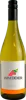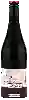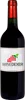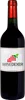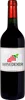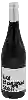
Winery Pierre Andrey13(Treize) PNGA 17dj 89
 Red wine
This wine is a blend of 2 varietals which are the Pinot noir and the Gamay noir.
This wine generally goes well with pork, poultry or beef.

Food and wine pairings with 13(Treize) PNGA 17dj 89
Pairings that work perfectly with 13(Treize) PNGA 17dj 89



Original food and wine pairings with 13(Treize) PNGA 17dj 89



The 13(Treize) PNGA 17dj 89 of Winery Pierre Andrey matches generally quite well with dishes of beef, veal or pork such as recipes of roast pork with pineapple, veal paupiettes with cider or veal saltimbocca.
Details and technical informations about Winery Pierre Andrey's 13(Treize) PNGA 17dj 89.
Discover the grape variety: Pinot noir
Elegant reds, light in colour with silky tannins, showing strawberry, cherry and raspberry aromas, evolving to forest floor, mushroom and spice with age. Fresh acidity, delicate finish. Star of the Côte d'Or (Romanée-Conti, Chambertin, Volnay), pillar of Champagne (Blanc de Noirs) and signature of Oregon, Central Otago and Sonoma Coast. An early-ripening Burgundian variety, one of the world's greatest.
Informations about the Winery Pierre Andrey
The Winery Pierre Andrey is one of of the world's greatest estates. It offers 14 wines for sale in the of Vin de France to come and discover on site or to buy online.

The wine region of Vin de France
The freest category of French wine, the playground of winemakers working outside the AOC. All styles combined: fruity reds, lively or ambitious whites, everyday rosés, unusual blends, natural wines, atypical grapes (Petit Manseng in Languedoc, Riesling in Provence), experimental winemaking (skin-contact whites, no sulphur). Grape and vintage labelling allowed, no geographic constraint. From the pop, convivial cuvée to the artisan gem: freedom in a bottle.
The word of the wine: Oenologist
Specialist in wine-making techniques. It is a profession and not a passion: one can be an oenophile without being an oenologist (and the opposite too!). Formerly attached to the Faculty of Pharmacy, oenology studies have become independent and have their own university course. Learning to make wine requires a good chemical background but also, increasingly, a good knowledge of the plant. Some oenologists work in laboratories (analysis). Others, the consulting oenologists, work directly in the properties.