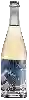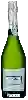
Winery PierlantFantasia Night Blanc de Blancs Brut
 Sparkling wine


This wine is a blend of 2 varietals which are the Chardonnay and the Pinot noir.
This wine generally goes well with pork, vegetarian or poultry.

Food and wine pairings with Fantasia Night Blanc de Blancs Brut
Pairings that work perfectly with Fantasia Night Blanc de Blancs Brut



Original food and wine pairings with Fantasia Night Blanc de Blancs Brut



The Fantasia Night Blanc de Blancs Brut of Winery Pierlant matches generally quite well with dishes of veal, pork or game (deer, venison) such as recipes of veal paupiettes with onions and tomatoes, sausages with kale or duck aiguillettes with apples.
Details and technical informations about Winery Pierlant's Fantasia Night Blanc de Blancs Brut.
Discover the grape variety: Chardonnay
Whites with many faces: mineral and taut at Chablis (lemon, green apple, flint), opulent and buttery at Meursault and Puligny-Montrachet (hazelnut, brioche, yellow fruits), tense and chalky in Champagne (Blanc de Blancs). Also vinified sparkling and widely exported (Sonoma, Margaret River, Casablanca). A Burgundian variety, a cross of Pinot Noir × Gouais Blanc, half-sibling of Aligoté.
Last vintages of this wine
The best vintages of Fantasia Night Blanc de Blancs Brut from Winery Pierlant are 0
Informations about the Winery Pierlant
The Winery Pierlant is one of of the world's greatest estates. It offers 11 wines for sale in the of Bordeaux to come and discover on site or to buy online.

The wine region of Bordeaux
World-renowned age-worthy reds, led by round Merlot (plum, black fruit) or firm Cabernet Sauvignon (blackcurrant, cedar, graphite), blended with Cabernet Franc and Petit Verdot for tannic structure. Structured Médoc and Graves, velvety Saint-Émilion and Pomerol. Also crisp dry whites (Sauvignon/Sémillon) and opulent sweet Sauternes with honey and candied fruit. A 110,000 ha Gironde vineyard, 65 appellations, cradle of the 1855 classified growths.
The word of the wine: Clone
A vine propagated from a single specimen (by cuttings or grafting), as opposed to mass selection, which starts from a family of vines.