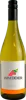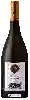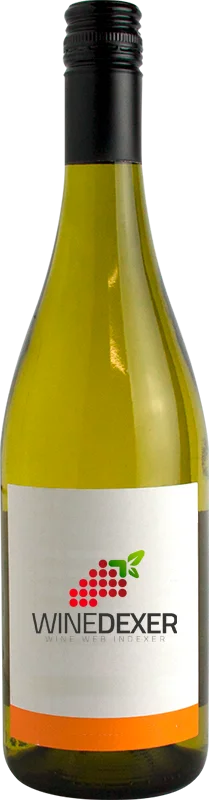
Winery Phantom RiverSauvignon Blanc
 White wine



In the mouth this white wine is a with a nice freshness.
This wine generally goes well with vegetarian, shellfish or goat cheese.

Taste structure of the Sauvignon Blanc from the Winery Phantom River
Light | Bold | |
Dry | Sweet | |
Soft | Acidic |
In the mouth the Sauvignon Blanc of Winery Phantom River in the region of Central Valley is a with a nice freshness.
Wine flavors and olphactive analysis





On the nose the Sauvignon Blanc of Winery Phantom River in the region of Central Valley often reveals types of flavors of pineapple, cream or grapefruit and sometimes also flavors of tropical, citrus or apples.
Food and wine pairings with Sauvignon Blanc
Pairings that work perfectly with Sauvignon Blanc



Original food and wine pairings with Sauvignon Blanc
The Sauvignon Blanc of Winery Phantom River matches generally quite well with dishes of shellfish, vegetarian or goat cheese such as recipes of shrimp with curry express, magic cake cheese quiche or eggplant and pepper tatin with fresh goat cheese.
Details and technical informations about Winery Phantom River's Sauvignon Blanc.
Discover the grape variety: Listan Negro
Light, fruity reds with a clear ruby colour, silky tannins and supple palate, showing signature aromas of red fruits (cherry, raspberry, strawberry), Mediterranean herbs, gentle spices and smoky volcanic notes. Airy island profile, best drunk young or with short ageing. Star of the Tacoronte-Acentejo DO and Ycoden-Daute-Isora DO appellations, defining the red wines of the Canary Islands. Native black variety of the Spanish Canary Islands (Tenerife, La Palma).
Last vintages of this wine
The best vintages of Sauvignon Blanc from Winery Phantom River are 2018, 2014, 2015, 2016 and 2013.
Informations about the Winery Phantom River
The Winery Phantom River is one of of the world's greatest estates. It offers 7 wines for sale in the of Central Valley to come and discover on site or to buy online.

The wine region of Central Valley
Heart of modern Chilean wine: structured, sunny reds, dense, blackcurranty Cabernet Sauvignon from Maipo (Chilean cradle of the grape), signature Carménère with notes of ripe pepper, black fruit and sweet spices from Colchagua, supple Merlot and deep Syrah. Round Chardonnay whites and lively, sharp Sauvignon. Mediterranean climate, 400 km between Andes and Pacific. Star sub-regions: Maipo, Cachapoal, Colchagua, Curicó, Maule.
The word of the wine: Acidic (flavor)
Acidity is present in all wines, and is essential in white wines. It is due to the presence of different organic acids in the wine, and is expressed in the mouth by a sensation of freshness combined with other elements, such as minerality or a note of bitterness. Moderately present, it brings relief and vivacity to the wine.