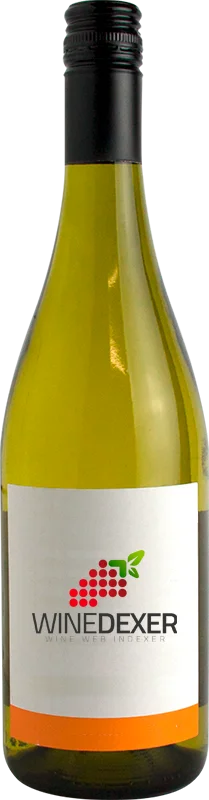
Winery PeucetaMalvasia Bianca
 White wine


In the mouth this white wine is a powerful.
This wine generally goes well with vegetarian, appetizers and snacks or shellfish.

Taste structure of the Malvasia Bianca from the Winery Peuceta
Light | Bold | |
Dry | Sweet | |
Soft | Acidic |
In the mouth the Malvasia Bianca of Winery Peuceta in the region of Puglia is a powerful.
Food and wine pairings with Malvasia Bianca
Pairings that work perfectly with Malvasia Bianca



Original food and wine pairings with Malvasia Bianca
The Malvasia Bianca of Winery Peuceta matches generally quite well with dishes of shellfish, vegetarian or appetizers and snacks such as recipes of linguine with shrimp and spicy tomato sauce, light tuna-tomato quiche (without cream) or tuna, tomato and olive cake.
Details and technical informations about Winery Peuceta's Malvasia Bianca.
Discover the grape variety: Lledoner pelut
Generous, supple reds with an intense ruby hue, rounded tannins and a broad palate, with solar aromas of ripe red fruits (cherry, raspberry, pomegranate), black fruits, garrigue, soft spices and Mediterranean notes. Full-bodied and warm. Component of Côtes du Roussillon AOC, Côtes du Roussillon Villages AOC and Priorat DOQ blends. Hairy-leaved mutation of grenache noir (lledoner = grenache in Catalan), a Catalan-Roussillon signature.
Last vintages of this wine
The best vintages of Malvasia Bianca from Winery Peuceta are 2018, 0
Informations about the Winery Peuceta
The Winery Peuceta is one of of the world's greatest estates. It offers 5 wines for sale in the of Puglia to come and discover on site or to buy online.

The wine region of Puglia
Heel of the boot, 80% red vineyard, sunny and generous. Fleshy, jammy Primitivo (= Zinfandel) with notes of black cherry, plum, chocolate and spices, powerful alcohol and melted tannins, a star in Primitivo di Manduria. Deep, structured Negroamaro (black-bitter) with a bitter finish in Salice Salentino. Structured Nero di Troia, spicy Susumaniello.
The word of the wine: Vine
Climbing shrubs with woody stems called shoots that produce grapes in clusters.