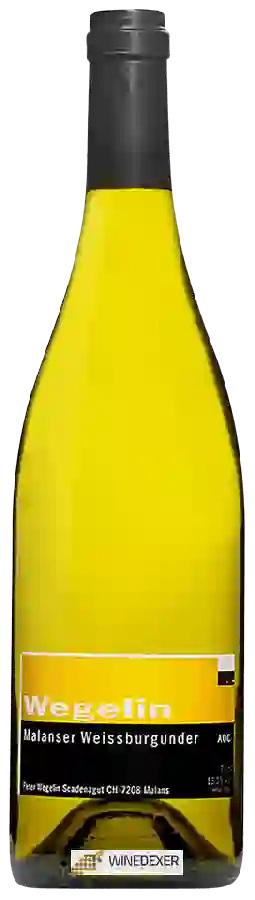
Winery Peter Wegelin ScadenagutMalanser Weissburgunder
 White wine



This wine generally goes well with
The Malanser Weissburgunder of the Winery Peter Wegelin Scadenagut is in the top 40 of wines of Malanser.

Wine flavors and olphactive analysis


On the nose the Malanser Weissburgunder of Winery Peter Wegelin Scadenagut in the region of Graubünden often reveals types of flavors of microbio, tree fruit or citrus fruit.
Details and technical informations about Winery Peter Wegelin Scadenagut's Malanser Weissburgunder.
Discover the grape variety: Muscatel
Intensely perfumed aromatic whites with a pale golden robe, showing powerful signature aromas of muscat, rose, white flowers, fresh grape and exotic fruits. Prized for sweet wines, fortified muscats (Moscatel de Setúbal, Málaga) and aromatic table grapes. Grown in Spain (Málaga, Levant), Portugal, Italy and the Maghreb. The Anglo-Saxon and Iberian name for Muscat Blanc à Petits Grains, a historic aromatic variety.
Last vintages of this wine
The best vintages of Malanser Weissburgunder from Winery Peter Wegelin Scadenagut are 2012, 2014, 0, 2016 and 2017.
Informations about the Winery Peter Wegelin Scadenagut
The Winery Peter Wegelin Scadenagut is one of of the world's greatest estates. It offers 15 wines for sale in the of Malanser to come and discover on site or to buy online.

The wine region of Malanser
Bündner Herrschaft commune (Graubünden, Switzerland) in the alpine Rhine valley, south exposure, warm foehn wind, schisto-calcareous soils. Pinot Noir red king (among Switzerland's most renowned): concentrated and silky with cherry, raspberry, wild strawberry, undergrowth and alpine spices, fine tannins — Helvetic Burgundian model. Completer (Malanstraube) rare and structured indigenous white. Chardonnay, Riesling-Sylvaner, Pinot Gris complementary.
The wine region of Graubünden
Wine canton of eastern German-speaking Switzerland (Grisons), 423 ha at the heart of the Bündner Herrschaft (Fläsch, Maienfeld, Malans, Jenins). Signature Pinot Noir (Blauburgunder, >70%): reds among the noblest in Switzerland, fine and silky with notes of cherry, raspberry, undergrowth, sweet spices and a limestone mineral touch, delicate tannins - compared to the great Burgundies. Schistous limestone soils, a climate tempered by the foehn (warmest area of German-speaking Switzerland).
The word of the wine: Noble rot
A fungus called botrytis cinerea that develops during the over-ripening phase, an ally of great sweet white wines, when it concentrates the juice of the berries. It requires the humidity of morning fogs and beautiful sunny days, gives musts very rich in sugar and brings to the wines the famous taste of "roasted".