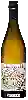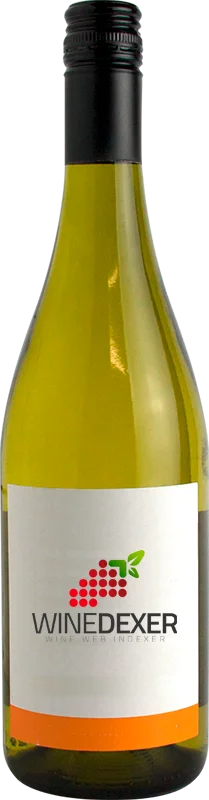
Winery Peter StolleisSpätburgunder Blanc de Noir
 White wine



This wine generally goes well with vegetarian
Food and wine pairings with Spätburgunder Blanc de Noir
Pairings that work perfectly with Spätburgunder Blanc de Noir

Original food and wine pairings with Spätburgunder Blanc de Noir
The Spätburgunder Blanc de Noir of Winery Peter Stolleis matches generally quite well with dishes of vegetarian such as recipes of quiche with bacon and gruyère cheese.
Details and technical informations about Winery Peter Stolleis's Spätburgunder Blanc de Noir.
Discover the grape variety: Malbec
Malbec, a high-yielding red grape variety, produces tannic and colourful wines. It is produced in different wine-growing regions and changes its name according to the grape variety. Called Auxerrois in Cahors, Malbec in Bordeaux, it is also known as Côt. 6,000 hectares of the Malbec grape are grown in France (in decline since the 1950s). Malbec is also very successful in Argentina. The country has become the world's leading producer of Malbec and offers wines with great potential.
Last vintages of this wine
The best vintages of Spätburgunder Blanc de Noir from Winery Peter Stolleis are 0
Informations about the Winery Peter Stolleis
The Winery Peter Stolleis is one of of the world's greatest estates. It offers 37 wines for sale in the of Pfalz to come and discover on site or to buy online.

The wine region of Pfalz
Pfalz is a key wine producing region in western Germany, located between the Rhein/Rhine river and the low-lying Haardt mountain range (a natural continuation of the Alsatian Vosges). It covers a rectangle of land 45 miles (75km) Long and 15 miles (25km) wide. To the NorthLiesRheinhessen; to the South, the French border and Alsace. In terms of both quality and quantity, Pfalz is one of Germany's most important regions, and one which shows great promise for the future.
The word of the wine: Bâtonnage
A very old technique that has come back into fashion in modern oenology, which consists of shaking the white wine in the barrels at the end of fermentation, or after fermentation, with a stick or a flail, in order to suspend the fine lees composed of yeasts at the end of their activity. This process is sometimes used for red wines.