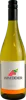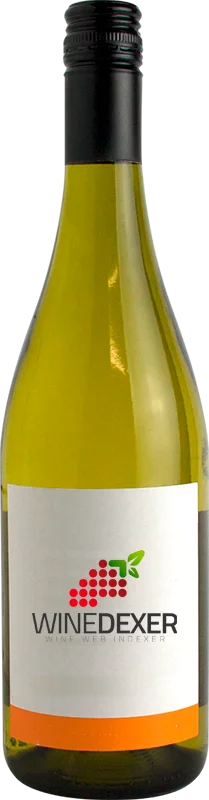
Domaine PérolClos du Château Beaujolais Blanc
 White wine



This wine generally goes well with pork, vegetarian or poultry.
The Clos du Château Beaujolais Blanc of the Domaine Pérol is in the top 40 of wines of Beaujolais.
Food and wine pairings with Clos du Château Beaujolais Blanc
Pairings that work perfectly with Clos du Château Beaujolais Blanc



Original food and wine pairings with Clos du Château Beaujolais Blanc

The Clos du Château Beaujolais Blanc of Domaine Pérol matches generally quite well with dishes of pork, rich fish (salmon, tuna etc) or vegetarian such as recipes of pulled pork (us pulled pork ), salmon blanquette or ham and comté quiche.
Details and technical informations about Domaine Pérol's Clos du Château Beaujolais Blanc.
Discover the grape variety: Chardonnay
The white Chardonnay is a grape variety that originated in France (Burgundy). It produces a variety of grape specially used for wine making. It is rare to find this grape to eat on our tables. This variety of grape is characterized by small bunches, and small grapes. White Chardonnay can be found in many vineyards: South West, Burgundy, Jura, Languedoc & Roussillon, Cognac, Bordeaux, Beaujolais, Savoie & Bugey, Loire Valley, Champagne, Rhone Valley, Armagnac, Lorraine, Alsace, Provence & Corsica.
Last vintages of this wine
The best vintages of Clos du Château Beaujolais Blanc from Domaine Pérol are 2018
Informations about the Domaine Pérol
The Domaine Pérol is one of of the world's greatest estates. It offers 18 wines for sale in the of Beaujolais to come and discover on site or to buy online.

The wine region of Beaujolais
Beaujolais is an important wine region in eastern France, famous for its vibrant, Fruity red wines made from Gamay. It is located immediately South of Burgundy, of which it is sometimes considered a Part, although it is in the administrative region of Rhône. The extensive plantings of Gamay in this region make Beaujolais one of the few regions in the world that is so concentrated on a single Grape variety. Pinot Noir is used in small quantities in red and rosé wines, but in the name of regional identity, it is being phased out and will only be allowed until the 2015 harvest.
The word of the wine: Seeds
A maximum of four, located in the heart of the grape berry, they contain tannins and nitrogenous matter.