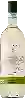
Winery Pergola dei BardiOrvieto Classico
 White wine


In the mouth this white wine is a with a nice freshness.
This wine generally goes well with vegetarian, appetizers and snacks or lean fish.

Taste structure of the Orvieto Classico from the Winery Pergola dei Bardi
Light | Bold | |
Dry | Sweet | |
Soft | Acidic |
In the mouth the Orvieto Classico of Winery Pergola dei Bardi in the region of Umbria is a with a nice freshness.
Food and wine pairings with Orvieto Classico
Pairings that work perfectly with Orvieto Classico



Original food and wine pairings with Orvieto Classico


The Orvieto Classico of Winery Pergola dei Bardi matches generally quite well with dishes of pasta, vegetarian or appetizers and snacks such as recipes of chicken lasagna, zucchini and goat cheese quiche or lightweight microwave chips.
Details and technical informations about Winery Pergola dei Bardi's Orvieto Classico.
Discover the grape variety: Béclan
Light, fruity reds with a clear ruby hue, smooth tannins and a soft palate with fresh acidity; undemonstrative aromas of red fruits (cherry, raspberry), gentle spices and Jura floral notes. Airy high-altitude style, best drunk young. Preserved for its heritage value, it survives in a few confidential plots in the Jura. Native French black grape of the Jura, also called méclan, near-extinct.
Last vintages of this wine

The best vintages of Orvieto Classico from Winery Pergola dei Bardi are 2014
Informations about the Winery Pergola dei Bardi
The Winery Pergola dei Bardi is one of of the world's greatest estates. It offers 7 wines for sale in the of Orvieto Classico to come and discover on site or to buy online.

The wine region of Orvieto Classico
Historic heart of Orvieto DOC in Umbria (volcanic tuff-limestone soil): Grechetto and Procanico (Trebbiano Toscano) (>=60%) with Verdello, Canaiolo Bianco (Drupeggio) and Malvasia — fruity and floral profile with green apple, meadow flowers, citrus, yellow berries and spice hint, pale straw colour, fresh vivacity, good acidity, long perfumed finish with almond notes. Distinctive tuff minerality.
The wine region of Umbria
"Green heart" of Italy, cradle of Sagrantino: exceptional tannic red in Sagrantino di Montefalco DOCG, dense and concentrated with notes of blackberry, candied plum, liquorice, spice and leather, powerful tannins and long ageing. Suppler Sangiovese in blends, Cabernet and Merlot in Torgiano DOCG. Orvieto whites based on Grechetto and Trebbiano, full and almondy, from dry to sweet Muffato. ~13,000 ha between Tuscany and Lazio.
The word of the wine: Harmonious
Balance of the different organoleptic elements of a wine. This harmony is linked to the typicity of each wine. The sweetness of a sweet wine is an element of its balance, whereas a Sancerre or a Chablis will be asked to be lively and dry.