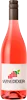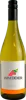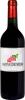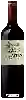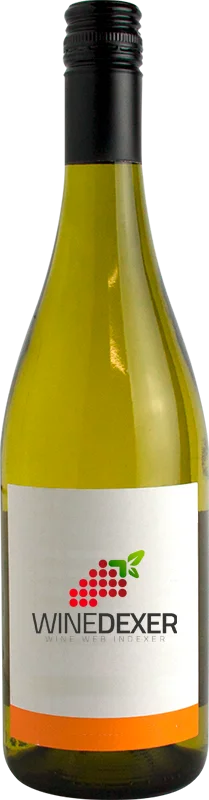
Château PerayneCôtes de Bordeaux Saint-Macaire Moelleux
 Sweet wine



This wine generally goes well with vegetarian, poultry or rich fish (salmon, tuna etc).

Food and wine pairings with Côtes de Bordeaux Saint-Macaire Moelleux
Pairings that work perfectly with Côtes de Bordeaux Saint-Macaire Moelleux



Original food and wine pairings with Côtes de Bordeaux Saint-Macaire Moelleux


The Côtes de Bordeaux Saint-Macaire Moelleux of Château Perayne matches generally quite well with dishes of rich fish (salmon, tuna etc), shellfish or sweet desserts such as recipes of sea bass wrapped in salt crust, mussels with marinara or brownies with nuts.
Details and technical informations about Château Perayne's Côtes de Bordeaux Saint-Macaire Moelleux.
Discover the grape variety: Prié
Lively, light dry whites with a pale golden robe with green hues, a slender palate and very preserved acidity. Signature aromas of citrus (lemon), white flowers (acacia), white-fleshed fruits and alpine mineral notes. Also produced as tense high-altitude sparkling wines. Star of the Valle d'Aoste Blanc de Morgex et de La Salle DOC, defining Italian high-altitude whites. Native Italian white grape of the Aosta Valley, grown above 1,000 m, resistant to phylloxera.
Informations about the Château Perayne
The Château Perayne is one of of the world's greatest estates. It offers 13 wines for sale in the of Côtes de Bordeaux Saint-Macaire to come and discover on site or to buy online.

The wine region of Côtes de Bordeaux Saint-Macaire
Bordeaux AOC south of Entre-deux-Mers (right bank of the Garonne, nocturnal mists from the Ciron river favouring botrytis cinerea). Sémillon dominates (minimum 70%), complemented by Sauvignon and Muscadelle. Deep golden robe with aromas of candied citrus, honey, spices and confit apricot, ample velvety palate. Moelleux to liquoreux wines (minimum 45 g/l) from botrytised grapes, successive tries in the style of Sauternes.
The wine region of Bordeaux
World-renowned age-worthy reds, led by round Merlot (plum, black fruit) or firm Cabernet Sauvignon (blackcurrant, cedar, graphite), blended with Cabernet Franc and Petit Verdot for tannic structure. Structured Médoc and Graves, velvety Saint-Émilion and Pomerol. Also crisp dry whites (Sauvignon/Sémillon) and opulent sweet Sauternes with honey and candied fruit. A 110,000 ha Gironde vineyard, 65 appellations, cradle of the 1855 classified growths.
The word of the wine: Mercaptan
Organic compound resulting from the combination of alcohol and sulphide (H2S) producing an unpleasant odour reminiscent of town gas and rotten eggs.