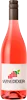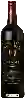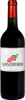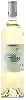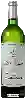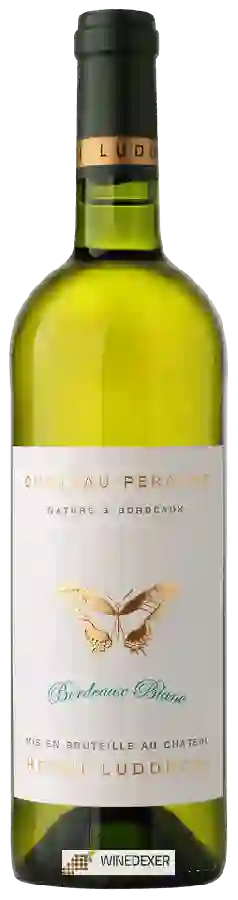
Château PerayneBordeaux Blanc
 White wine



In the mouth this white wine is a powerful.
This wine generally goes well with pork, vegetarian or poultry.
Taste structure of the Bordeaux Blanc from the Château Perayne
Light | Bold | |
Dry | Sweet | |
Soft | Acidic |
In the mouth the Bordeaux Blanc of Château Perayne in the region of Bordeaux is a powerful.
Food and wine pairings with Bordeaux Blanc
Pairings that work perfectly with Bordeaux Blanc



Original food and wine pairings with Bordeaux Blanc


The Bordeaux Blanc of Château Perayne matches generally quite well with dishes of pork, vegetarian or poultry such as recipes of salted lentils, quiche with leeks and fresh salmon from flo or baked chicken legs.
Details and technical informations about Château Perayne's Bordeaux Blanc.
Discover the grape variety: Panse précoce
Most certainly finding its first origins in southern Provence, registered in the Official Catalogue of table grape varieties list A1. According to genetic analyses published in Montpellier (Hérault), it is the result of a cross between the bicane and the pascal blanc. It should not be confused with the foster' white grown in Italy and wrongly called panse précoce. Finally, it can also be confused with the Panse de Provence, which has downy-pubescent leaves and ripens in the second half of the year.
Last vintages of this wine
The best vintages of Bordeaux Blanc from Château Perayne are 2009, 2012
Informations about the Château Perayne
The Château Perayne is one of of the world's greatest estates. It offers 13 wines for sale in the of Bordeaux to come and discover on site or to buy online.

The wine region of Bordeaux
Bordeaux, in southwestern France, is one of the most famous, prestigious and prolific wine regions in the world. The majority of Bordeaux wines (nearly 90% of the production Volume) are the Dry, medium and Full-bodied red Bordeaux blends for which it is famous. The finest (and most expensive) are the wines of the great châteaux of Haut-Médoc and the right bank appellations of Saint-Émilion and Pomerol. The former focuses (at the highest level) on Cabernet Sauvignon, the latter on Merlot.
The word of the wine: Breaking
Accident (oxidation or reduction) causing a loss of limpidity of the wine.