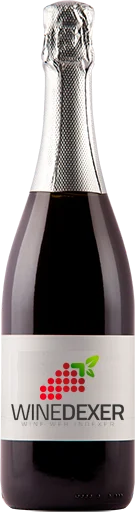
Winery Penny StampProsecco
 Sparkling wine


In the mouth this sparkling wine is a with a nice vivacity and a fine and pleasant bubble.
This wine generally goes well with vegetarian, appetizers and snacks or shellfish.

Taste structure of the Prosecco from the Winery Penny Stamp
Light | Bold | |
Soft | Acidic | |
Gentle | Fizzy |
In the mouth the Prosecco of Winery Penny Stamp in the region of Tuscany is a with a nice vivacity and a fine and pleasant bubble.
Food and wine pairings with Prosecco
Pairings that work perfectly with Prosecco



Original food and wine pairings with Prosecco


The Prosecco of Winery Penny Stamp matches generally quite well with dishes of shellfish, vegetarian or appetizers and snacks such as recipes of mussels spanish style, zucchini quiche or fresh vegetable dips and their sauces for the aperitif.
Details and technical informations about Winery Penny Stamp's Prosecco.
Discover the grape variety: Calitor blanc
Simple, light whites for drinking young with a pale golden colour, an airy palate with low acidity, and discreet aromas of white flowers, white-fleshed fruits and neutral notes. Productive and rustic, accessible easy-drinking profile. Almost extinct today, surviving in a few conservatory vineyards in Provence and Languedoc for its heritage value. White-berried mutation of Calitor noir, an ancient variety from south-eastern France and the Mediterranean rim.
Last vintages of this wine
The best vintages of Prosecco from Winery Penny Stamp are 0
Informations about the Winery Penny Stamp
The Winery Penny Stamp is one of of the world's greatest estates. It offers 8 wines for sale in the of Chianti to come and discover on site or to buy online.

The wine region of Chianti
Emblem of Tuscan red: signature Sangiovese (70% min) with notes of morello cherry, plum, dried herbs, violet and leather, lively acidity and firm tannins, elegant gastronomic profile. Chianti Classico DOCG ("Gallo Nero") between Florence and Siena, more structured and age-worthy. Riserva and Gran Selezione at the top, barrel-aged. A few supporting grapes (Canaiolo, Colorino).
The wine region of Tuscany
Kingdom of Sangiovese: upright reds with cherry, plum, dried herbs and leather, lively acidity and firm tannins. Fleshy, food-friendly Chianti Classico DOCG, deep long-ageing Brunello di Montalcino (spice, tobacco, ripe black fruit), elegant Vino Nobile di Montepulciano. On the coast, Bolgheri crafts the opulent Cabernet- and Merlot-based 'Super Tuscans'. Some fresh white Vernaccia.
The word of the wine: Film
Skin of the grape containing the colouring matter of red wines (anthocyanins), the most noble tannins and the essential aromatic substances.