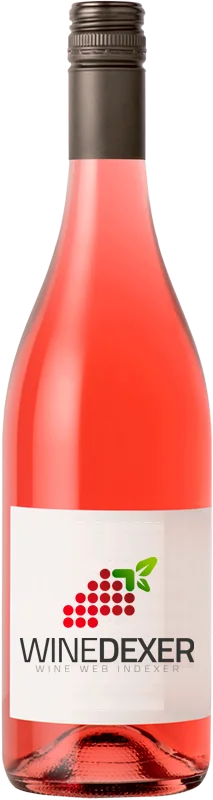
Peller EstatesFrench Cross Blush
 Pink wine


This wine generally goes well with

Details and technical informations about Peller Estates's French Cross Blush.
Discover the grape variety: Planta nova
Fresh, thirst-quenching dry whites with a pale golden colour, a supple palate and preserved acidity, showing simple aromas of citrus (lemon, grapefruit), white flowers (acacia), green apple and Mediterranean notes. A productive style to drink young. A traditional component of Valencia DO and Alicante DO whites on the Spanish Levante coast, expressing the regional southern identity. Indigenous Spanish variety of the Levante.
Last vintages of this wine
The best vintages of French Cross Blush from Peller Estates are 0
Informations about the Peller Estates
The Peller Estates is one of wineries to follow in Niagara Peninsula.. It offers 77 wines for sale in the of Niagara Peninsula to come and discover on site or to buy online.

The wine region of Niagara Peninsula
World reference for Icewine: concentrated sweet wines from grapes frozen on the vine, golden colour, signature notes of candied apricot, mango, honey, citrus and exotic fruit, high sugar balanced by lively acidity. 90% of Canadian Icewine (Vidal for fruit, Riesling for finesse). Cool-climate still wines: mineral Riesling, precise Chardonnay, fine Pinot Noir, peppery Cabernet Franc. Southern shores of Lake Ontario.
The wine region of Ontario
World reference for Canadian Icewine: exceptional sweet wines from grapes frozen on the vine, golden colour, signature notes of candied apricot, mango, honey, citrus and exotic fruits, opulent sugar balanced by taut acidity (Vidal for fruit, Riesling for finesse). Cool-climate still wines: mineral, lively Riesling, precise Chardonnay, fine Pinot Noir (cherry, undergrowth), peppery Cabernet Franc. ~5,500 ha on the Niagara Peninsula between Lake Ontario and the escarpment, VQA.
The word of the wine: Alcoholic fermentation
Transformation of sugars into alcohol under the effect of yeast. These yeasts exist in their natural state in the vineyards and in the cellars. Artificial seeding with selected yeasts is however very often practiced.