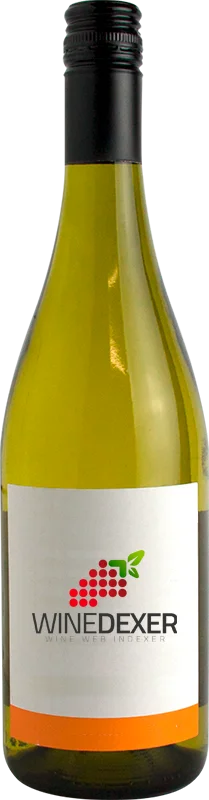
Winery Paul SapinCôtes de Bergerac Moelleux
 Sweet wine


This wine generally goes well with pork, vegetarian or poultry.

Food and wine pairings with Côtes de Bergerac Moelleux
Pairings that work perfectly with Côtes de Bergerac Moelleux



Original food and wine pairings with Côtes de Bergerac Moelleux

The Côtes de Bergerac Moelleux of Winery Paul Sapin matches generally quite well with dishes of pork, rich fish (salmon, tuna etc) or vegetarian such as recipes of roast pork with mustard and honey, spinach, goat cheese and salmon quiche or salmon and goat cheese quiche.
Details and technical informations about Winery Paul Sapin's Côtes de Bergerac Moelleux.
Discover the grape variety: Chardonnay
Whites with many faces: mineral and taut at Chablis (lemon, green apple, flint), opulent and buttery at Meursault and Puligny-Montrachet (hazelnut, brioche, yellow fruits), tense and chalky in Champagne (Blanc de Blancs). Also vinified sparkling and widely exported (Sonoma, Margaret River, Casablanca). A Burgundian variety, a cross of Pinot Noir × Gouais Blanc, half-sibling of Aligoté.
Last vintages of this wine
The best vintages of Côtes de Bergerac Moelleux from Winery Paul Sapin are 2012, 2018
Informations about the Winery Paul Sapin
The Winery Paul Sapin is one of of the world's greatest estates. It offers 132 wines for sale in the of Côtes de Bergerac to come and discover on site or to buy online.

The wine region of Côtes de Bergerac
Higher hierarchy of the Bergeracois in Périgord: structured complex reds — dominant Merlot blended with Cabernet Franc, Cabernet Sauvignon and Côt, deep robe, aromas of candied fruits and prune, sturdy tannins suitable for 5-10 years of aging. Sweet generous whites on Sémillon, Sauvignon and Muscadelle with notes of honey, candied fruits and apricot, round and fresh palate. Clay-limestone soils, more demanding identity than generic Bergerac.
The wine region of South West
French mosaic of strong identities south of Bordeaux. Cahors and its Malbec ("black wine"): deep reds with notes of blackberry, plum, violet, tobacco and cocoa, firm tannins. Madiran and its dense, age-worthy Tannat. Jurançon whites: golden sweet (apricot, honey, pineapple) and lively dry from Petit Manseng.
The word of the wine: Passerillage
Concentration of the grape by drying out, under the influence of wind or sun, as opposed to botrytisation, which is the concentration obtained by the development of the "noble rot" for which Botrytis cinerea is responsible. The word is mainly used for sweet wines.