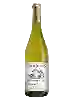
Domaine de SermezyViognier de la Cadole
 White wine



This wine generally goes well with pork, poultry or game (deer, venison).

Food and wine pairings with Viognier de la Cadole
Pairings that work perfectly with Viognier de la Cadole



Original food and wine pairings with Viognier de la Cadole



The Viognier de la Cadole of Domaine de Sermezy matches generally quite well with dishes of pork, game (deer, venison) or shellfish such as recipes of homemade burger, roast duck in the oven or creamy tomato squid.
Details and technical informations about Domaine de Sermezy's Viognier de la Cadole.
Discover the grape variety: Viognier
Opulent, heady whites, rich and silky, with intense aromas of apricot, yellow peach, mango, violet, honeysuckle and musky, honeyed notes. Discreet acidity, creamy finish. Star of Condrieu AOC and Château-Grillet AOC, co-vinified in Côte-Rôtie with Syrah (up to 20%). Widely exported to California (Central Coast), Australia (Eden Valley) and Languedoc. A Rhône variety.
Informations about the Domaine de Sermezy
The Domaine de Sermezy is one of of the world's great estates. It offers 28 wines for sale in the of Beaujolais to come and discover on site or to buy online.

The wine region of Beaujolais
Kingdom of Gamay (98% of the vineyard): fruity, accessible reds with signature notes of cherry, raspberry, banana (carbonic maceration), violet and sweet spices, supple tannins and juicy acidity. From festive Beaujolais Nouveau (3rd Thursday of November) to the 10 more structured, age-worthy Crus: deep earthy Morgon, sturdy Moulin-à-Vent, floral Fleurie, crunchy Brouilly. Some lively Chardonnay. 12,000 ha south of Burgundy, granitic soils.
The word of the wine: Pinenc
See servadou iron.