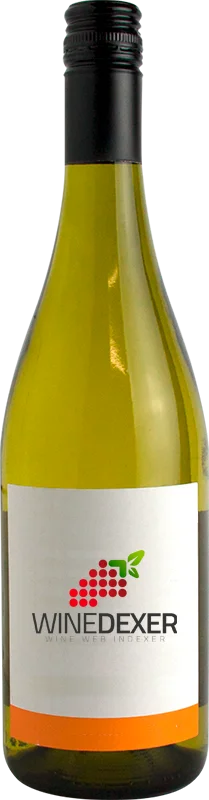
Winery PaskuaReserve Sauvignon Blanc
 White wine
In the mouth this white wine is a with a nice freshness.
This wine generally goes well with vegetarian, shellfish or goat cheese.

Taste structure of the Reserve Sauvignon Blanc from the Winery Paskua
Light | Bold | |
Dry | Sweet | |
Soft | Acidic |
In the mouth the Reserve Sauvignon Blanc of Winery Paskua in the region of Central Valley is a with a nice freshness.
Food and wine pairings with Reserve Sauvignon Blanc
Pairings that work perfectly with Reserve Sauvignon Blanc


Original food and wine pairings with Reserve Sauvignon Blanc
The Reserve Sauvignon Blanc of Winery Paskua matches generally quite well with dishes of shellfish, vegetarian or goat cheese such as recipes of thai shrimp soup (tom yam goong), light tuna-tomato quiche (without cream) or tomato, eggplant and goat cheese bruschetta.
Details and technical informations about Winery Paskua's Reserve Sauvignon Blanc.
Discover the grape variety: Frühburgunder
Fine, silky, elegant reds with a clear ruby colour, supple tannins and an airy palate, with signature aromas of red fruits (cherry, raspberry), woodland and fine spices. Ripens earlier than classic Spätburgunder. Grown mainly in Franconia, Württemberg and the Ahr, it produces quality German wines (QbA or Prädikatswein). A German black variety, an early-ripening mutation of Pinot Noir, related to French Pinot Noir Précoce.
Informations about the Winery Paskua
The Winery Paskua is one of of the world's great estates. It offers 13 wines for sale in the of Central Valley to come and discover on site or to buy online.

The wine region of Central Valley
Heart of modern Chilean wine: structured, sunny reds, dense, blackcurranty Cabernet Sauvignon from Maipo (Chilean cradle of the grape), signature Carménère with notes of ripe pepper, black fruit and sweet spices from Colchagua, supple Merlot and deep Syrah. Round Chardonnay whites and lively, sharp Sauvignon. Mediterranean climate, 400 km between Andes and Pacific. Star sub-regions: Maipo, Cachapoal, Colchagua, Curicó, Maule.
The word of the wine: Away from the eye
See len de l'el.






