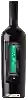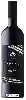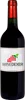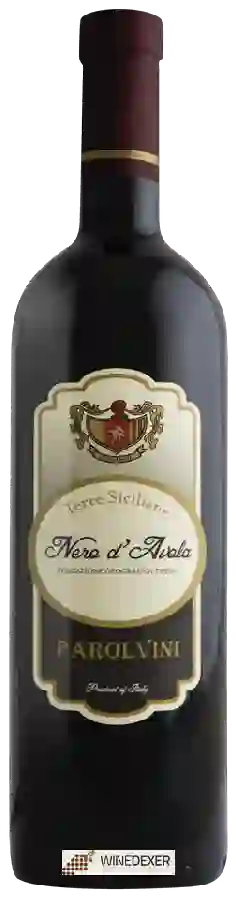
Winery ParolviniNero d'Avola
 Red wine



In the mouth this red wine is a powerful.
This wine generally goes well with beef, lamb or pasta.

Taste structure of the Nero d'Avola from the Winery Parolvini
Light | Bold | |
Smooth | Tannic | |
Dry | Sweet | |
Soft | Acidic |
In the mouth the Nero d'Avola of Winery Parolvini in the region of Sicily is a powerful.
Food and wine pairings with Nero d'Avola
Pairings that work perfectly with Nero d'Avola



Original food and wine pairings with Nero d'Avola
The Nero d'Avola of Winery Parolvini matches generally quite well with dishes of beef, pasta or lamb such as recipes of quick meatloaf, cannelloni of meat or daniel's algerian couscous.
Details and technical informations about Winery Parolvini's Nero d'Avola.
Discover the grape variety: Nero d'Avola
Full-bodied, warm reds with deep colour and generous alcohol, with aromas of blackberry, black cherry jam, plum, liquorice, chocolate and Mediterranean spice. Ripe tannins and a broad, sunny finish. The star of Sicily (Nero d'Avola Sicilia DOC, Cerasuolo di Vittoria DOCG blended with Frappato, Eloro DOC). Native Sicilian variety, also called Calabrese, the most planted on the island.
Last vintages of this wine
The best vintages of Nero d'Avola from Winery Parolvini are 0, 2013
Informations about the Winery Parolvini
The Winery Parolvini is one of of the world's greatest estates. It offers 29 wines for sale in the of Sicily to come and discover on site or to buy online.

The wine region of Sicily
Major qualitative renewal. Sunny, expressive reds: fleshy, spicy Nero d'Avola (black cherry, blackberry, liquorice), fine, mineral Nerello Mascalese on Etna (recalls Pinot Noir), light, crisp Frappato in Cerasuolo di Vittoria DOCG. Lively, saline whites: Catarratto, fat, iodised Grillo, taut Carricante, floral Inzolia. Amber, walnutty fortified Marsala.
The word of the wine: Fruity
A wine whose nose is first characterized by aromas reminiscent of the world of fruit. A wine to be drunk young is essentially fruity, but all wines offer this type of aroma in the first place, which can evolve over time, from the scent of fresh fruit to cooked, stewed, candied or brandied fruit.