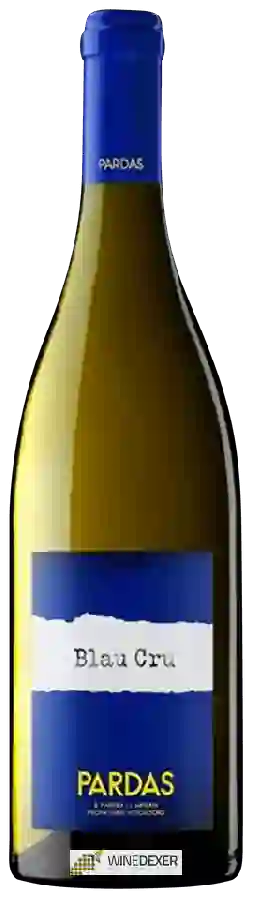
Winery PardasBlau Cru
 White wine


This wine generally goes well with

Wine flavors and olphactive analysis





On the nose the Blau Cru of Winery Pardas in the region of Catalogne often reveals types of flavors of earth, microbio or vegetal and sometimes also flavors of tree fruit, citrus fruit or floral.
Details and technical informations about Winery Pardas's Blau Cru.
Discover the grape variety: Muscat de Frontignan
Aromatic fortified sweet natural wines with a golden to amber robe and an ample, perfumed palate. Powerful muscat signature aromas (rose, fresh grape), orange blossom, exotic fruits (lychee), candied fruits (apricot), honey and Mediterranean notes. Star of the Muscat de Frontignan AOC, one of the great iconic vins doux naturels of the Languedoc. Languedocian synonym for Muscat Blanc à Petits Grains grown at Frontignan.
Last vintages of this wine
The best vintages of Blau Cru from Winery Pardas are 2017, 2014, 0, 2018 and 2016.
Informations about the Winery Pardas
The Winery Pardas is one of of the world's greatest estates. It offers 11 wines for sale in the of Penedès to come and discover on site or to buy online.

The wine region of Penedès
Historic cradle of Cava (95% of Spanish output, centred on Sant Sadurní d'Anoia): traditional-method sparklers, convivial and brioche-like. Indigenous trilogy: signature Xarel-lo (body, herbaceous and almondy notes), Macabeo (apple, freshness), Parellada (floral elegance). Still wines ~80% white from the same grapes, straight and accessible. Also sunny Garnacha, Cabernet and Pinot Noir.
The wine region of Catalogne
Cradle of Cava (~95% of Spanish output, traditional method): Macabeo, Xarel-lo, Parellada trilogy, fine fruity bubble. Quality peak in Priorat DOCa: dense, mineral reds on llicorella (schist), old-vine Garnacha and Cariñena with black fruit, garrigue notes, firm tannins. Also Penedès, fleshy Montsant, sunny Empordà, Costers del Segre. Mediterranean.
The word of the wine: Primeur (purchase in)
Purchase made shortly after the harvest and before the wine is ready for consumption.