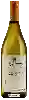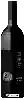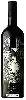
Winery PaoloniNerone
 Red wine


This wine generally goes well with
The Nerone of the Winery Paoloni is in the top 50 of wines of Mexico and in the top 40 of wines of Valle de Guadalupe.
Wine flavors and olphactive analysis


On the nose the Nerone of Winery Paoloni in the region of North often reveals types of flavors of non oak, earth or oak and sometimes also flavors of red fruit, black fruit.
Details and technical informations about Winery Paoloni's Nerone.
Discover the grape variety: Précoce de Malingre
Precoce de Malingre white is a grape variety that originated in France (Ile de France). It produces a variety of grape specially used for wine making. It is rare to find this grape to eat on our tables. This variety of grape is characterized by small bunches, and grapes of small to medium size. The Precoce de Malingre white can be found in several vineyards: South-West, Cognac, Bordeaux, Provence & Corsica, Rhone Valley, Loire Valley, Savoie & Bugey, Beaujolais.
Last vintages of this wine
The best vintages of Nerone from Winery Paoloni are 2013, 2014, 0, 2016
Informations about the Winery Paoloni
The Winery Paoloni is one of of the world's greatest estates. It offers 12 wines for sale in the of Valle de Guadalupe to come and discover on site or to buy online.

The wine region of Valle de Guadalupe
The wine region of Valle de Guadalupe is located in the region of Baja California of North of Mexico. We currently count 230 estates and châteaux in the of Valle de Guadalupe, producing 891 different wines in conventional, organic and biodynamic agriculture. The wines of Valle de Guadalupe go well with generally quite well with dishes .
The wine region of North
Valle de Guadalupe is the key wine region in the state of Baja California, Mexico. Baja California, in turn, is responsible for 90 percent national wine production. At the heart of the valley is Guadalupe Village, which Lies 14 miles (20km) North of Ensenada city. The valley runs northeast to southwest on either side of Guadalupe, stretching from the Pacific coast inland for roughly 20 miles (32 km).
The word of the wine: Private cellar
A term that designates an estate or a château belonging to a winegrower or a family, as opposed to a cooperative cellar that brings together member winegrowers.