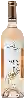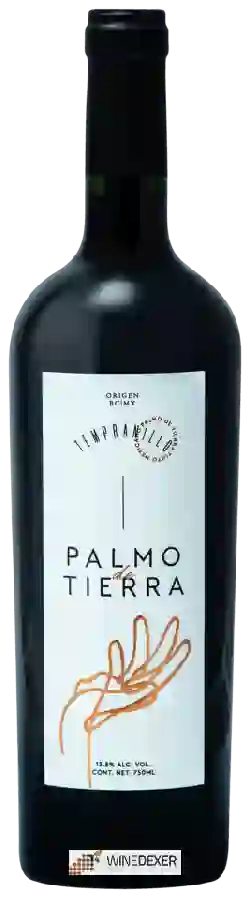
Winery Palmo de TierraTempranillo
 wine
wine
This wine generally goes well with
The Tempranillo of the Winery Palmo de Tierra is in the top 0 of wines of Baja California.

Details and technical informations about Winery Palmo de Tierra's Tempranillo.
Discover the grape variety: Béni carlo
Intense, full-bodied, high-alcohol reds with a deep purple colour, supple tannins and an ample palate with moderate acidity, featuring signature aromas of ripe black fruits (blackberry, plum), spices and Mediterranean notes from the Levant. Productive. Once exported to Bordeaux in the 19th century to bolster blends, today marginal, surviving in a few heritage plots of the Spanish Levant. Indigenous Spanish black variety from Valencia and Catalonia, around Benicarló.
Last vintages of this wine


The best vintages of Tempranillo from Winery Palmo de Tierra are 0
Informations about the Winery Palmo de Tierra
The Winery Palmo de Tierra is one of of the world's greatest estates. It offers 2 wines for sale in the of Baja California to come and discover on site or to buy online.

The wine region of Baja California
Benchmark of Mexican wine (~90% of national output), Valle de Guadalupe at its qualitative heart. Dense, sun-drenched reds with signature notes of blackberry, plum, sweet spice, Mediterranean herbs and a smoky touch, round tannins and a warm palate. Firm Cabernet Sauvignon and Bordeaux Merlot, but also Italian Nebbiolo, Spanish Tempranillo, sun-drenched Zinfandel and Syrah — a mosaic of origins. Chardonnay and Chenin Blanc whites.
The wine region of North
North Israel encompasses Upper and Lower Galilee plus the Golan, vineyards at altitude on limestone soils, volcanic basalt and draining gravels, climate tempered by strong day-night swings. Cabernet Sauvignon, Merlot and Syrah are the signature reds — full-bodied and precise with notes of blackcurrant, black cherry, blackberry, garrigue and a mineral touch, ripe tannins and preserved freshness. Historic Carignan. Taut Chardonnay and lively Sauvignon in whites.
The word of the wine: Private cellar
A term that designates an estate or a château belonging to a winegrower or a family, as opposed to a cooperative cellar that brings together member winegrowers.